
Blog
Ivermectin 6 Mg: Uses, Dosage, Benefits, Safety & Complete Guide

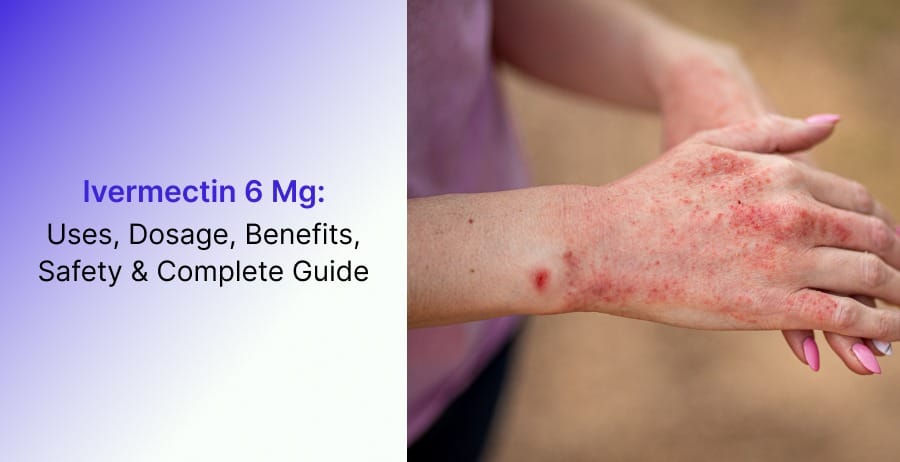
Ivermectin 6 Mg is a widely used antiparasitic medication that helps treat infections caused by various types of parasites. It belongs to a class of medicines known as anthelmintics, which work by eliminating parasites from the body. Doctors commonly prescribe this medication for infections that affect the skin, intestines, and sometimes the bloodstream. Because parasitic infections can lead to discomfort and serious health complications if left untreated, medications like ivermectin play an important role in modern healthcare.
This medication is typically available in tablet form and is taken orally. The primary purpose of ivermectin is to stop the growth and survival of parasites in the body. It works by affecting the nervous system of parasites, which eventually leads to their paralysis and death. Once the parasites are eliminated, the body can gradually recover from the infection.
What is Ivermectin 6 Mg?
Ivermectin 6 Mg is an antiparasitic medication that belongs to a class of drugs designed to kill parasites in the body. It works by interfering with the nervous system of parasites, which eventually causes their paralysis and death.
Doctors prescribe ivermectin mainly to treat infections caused by parasites such as:
- Roundworms
- Threadworms
- Scabies mites
- Head lice
- River blindness parasites
- Strongyloidiasis
The medication is usually available in tablet form, making it convenient for patients to take orally.
Many healthcare professionals recommend Ivermectin 6 Mg when treating certain parasitic infections because it has shown reliable results when used correctly.
How Ivermectin Works in the Body
Ivermectin targets parasites by affecting their nervous system. The drug binds to specific channels found in parasites, causing an increased release of chloride ions.
This process leads to:
- Paralysis of the parasite
- Inability to feed or move
- Gradual death of the parasite
Once the parasites die, the body’s immune system helps remove them from the system.
The reason ivermectin is considered relatively safe for humans is that these chloride channels are much less active in human nerve cells compared to parasites.
Ivermectin 6 mg Tablet Uses
Understanding Ivermectin 6 mg tablet uses helps patients know when this medication may be recommended.
Doctors typically prescribe ivermectin to treat the following conditions.
1. Strongyloidiasis
Strongyloidiasis is a parasitic infection caused by Strongyloides stercoralis, a type of intestinal worm. The infection can lead to symptoms such as stomach pain, diarrhea, and skin rashes.
Doctors frequently recommend Ivermectin 6 mg tablet uses in cases of strongyloidiasis because the medication effectively eliminates the parasites from the intestine.
2. Onchocerciasis (River Blindness)
River blindness is a serious infection caused by a parasite transmitted through blackfly bites. This condition can lead to severe itching, skin damage, and even vision loss.
Ivermectin helps control the infection by killing the immature worms in the body.
3. Scabies Treatment
Scabies is a contagious skin condition caused by microscopic mites that burrow into the skin.
Symptoms include:
- Intense itching
- Skin rashes
- Small bumps on the skin
Doctors sometimes prescribe ivermectin tablets for severe scabies infections or when topical treatments do not work effectively.
4. Head Lice
Head lice are tiny insects that live on the scalp and feed on blood.
In cases where traditional shampoos fail, oral ivermectin may be used to eliminate lice effectively.
5. Filariasis
Filariasis is a parasitic disease transmitted by mosquitoes that affects the lymphatic system.
Ivermectin is often used in combination with other medications to control the spread of the infection.
Ivermectin 6 mg Dosage
The correct Ivermectin 6 mg dosage depends on several factors, including:
- Body weight
- Type of infection
- Severity of the condition
- Patient’s overall health
Doctors typically calculate the dose based on body weight.
A common dosage guideline includes:
- 150–200 micrograms per kilogram of body weight
For some infections, a single dose may be sufficient, while other conditions may require repeated doses after a certain period.
Patients should always follow medical instructions when taking Ivermectin 6 mg dosage to ensure safety and effectiveness.
Ivermectin 6 mg Dosage for Humans
Understanding the proper Ivermectin 6 mg dosage for humans is essential for achieving the best treatment results.
Here are some general dosage recommendations used by healthcare providers.
For Intestinal Worms
- Single oral dose based on body weight
- Taken on an empty stomach with water
For Scabies
- One dose initially
- Second dose after 7–14 days
For River Blindness
- One dose every 6–12 months depending on infection severity
Because dosage may vary depending on the condition being treated, patients should consult a doctor before taking Ivermectin 6 mg dosage for humans.
How to Take Ivermectin Tablets
To ensure maximum effectiveness, ivermectin tablets should be taken properly.
Important instructions include:
- Take the tablet on an empty stomach
- Drink a full glass of water
- Follow the dosage prescribed by your doctor
- Avoid taking more than the recommended dose
In most cases, ivermectin is taken as a single-dose treatment, but some infections require repeated doses.
Benefits of Ivermectin 6 Mg
Ivermectin has been widely used for many years because of its reliable benefits.
Effective Against Multiple Parasites
One of the biggest advantages of ivermectin is its ability to treat different parasitic infections.
Fast Acting
The medication starts working quickly by targeting parasites in the body.
Convenient Dosage
In many cases, ivermectin treatment involves only a single dose, which makes it convenient for patients.
Widely Available
Ivermectin tablets are available in many countries and are commonly prescribed by doctors.
Possible Side Effects
Like any medication, ivermectin may cause side effects in some individuals.
Common side effects include:
- Dizziness
- Nausea
- Headache
- Diarrhea
- Mild skin rash
These side effects are usually temporary and disappear after a short time.
However, if severe symptoms occur, medical attention should be sought immediately.
Who Should Avoid Ivermectin?
Certain individuals should avoid taking ivermectin unless advised by a doctor.
This includes:
- Pregnant women
- Breastfeeding mothers
- Children under a specific weight
- Individuals with liver disease
- People allergic to ivermectin
Always consult a healthcare professional before using ivermectin.
Drug Interactions
Ivermectin may interact with other medications.
Some examples include:
- Blood thinners
- Sedatives
- Certain antifungal medications
Patients should inform their doctor about all medications they are taking before starting ivermectin.
Safety Tips When Using Ivermectin
To use ivermectin safely, consider the following tips:
- Never self-medicate
- Follow doctor’s instructions carefully
- Avoid alcohol while taking the medication
- Store the medicine in a cool, dry place
- Keep it away from children
These precautions help ensure safe treatment.
Storage Instructions
Proper storage helps maintain the effectiveness of ivermectin tablets.
Store the medication:
- At room temperature
- Away from moisture and heat
- In its original packaging
- Out of reach of children
Frequently Asked Questions (FAQ)
1. What is Ivermectin 6 Mg used for?
Ivermectin 6 Mg is used to treat several parasitic infections, including intestinal worms, scabies, lice, and river blindness.
2. How long does ivermectin take to work?
Ivermectin usually begins working within a few hours after taking the dose, but complete symptom improvement may take several days.
3. Can humans take ivermectin safely?
Yes, ivermectin is considered safe for humans when taken in the correct dosage prescribed by a healthcare professional.
4. Is ivermectin taken daily?
In most cases, ivermectin is taken as a single dose, although some conditions may require repeated doses.
5. Can ivermectin treat skin infections?
Yes, ivermectin is sometimes used to treat skin conditions such as scabies caused by mites.
6. Should ivermectin be taken with food?
Ivermectin is generally recommended to be taken on an empty stomach with water for better absorption.
7. Can children take ivermectin?
Children can take ivermectin if prescribed by a doctor and if they meet the minimum weight requirement.
8. What should I do if I miss a dose?
If ivermectin is prescribed as multiple doses and you miss one, consult your doctor for instructions rather than taking a double dose.
Conclusion
Ivermectin 6 Mg is an important medication used to treat several parasitic infections that affect millions of people worldwide. Its effectiveness, convenience, and long history of use make it a trusted treatment option when prescribed by healthcare professionals.
Understanding Ivermectin 6 mg tablet uses, the correct Ivermectin 6 mg dosage, and proper Ivermectin 6 mg dosage for humans helps ensure safe and successful treatment.
However, it is important to remember that ivermectin should always be taken under medical guidance. Self-medication or incorrect dosage can lead to unwanted side effects.
If you suspect a parasitic infection or are considering treatment with ivermectin, consult a qualified healthcare provider to determine the best course of action for your health.