
Blog
All About Ivermectin 12 Mg Tablets — Dosage, Uses, and Safety Tips

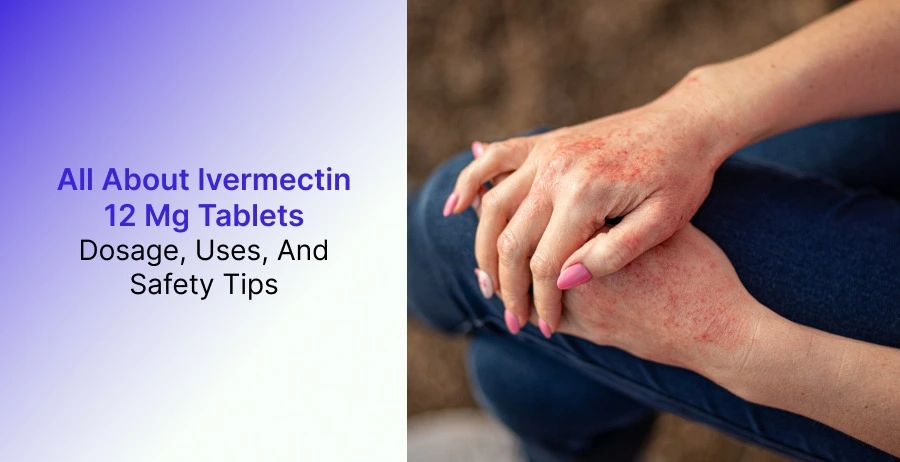
Ivermectin 12 Mg continues to be one of the most widely discussed medicines in parasitic disease treatment around the world. In this detailed guide, we will explore what Ivermectin 12 Mg is, how Ivermectin 12 Mg tablets are used, their appropriate dosages, approved medical uses, safety information, and frequently asked questions — all in a clear, understandable way. Whether you’re a patient seeking answers or someone planning to write about this medication, this blog has you covered.
What Is Ivermectin 12 Mg?
Ivermectin 12 Mg refers to a tablet formulation of the drug ivermectin where each tablet contains 12 milligrams of the active ingredient. Ivermectin belongs to a class of medications known as anthelmintics, which are specifically used to treat infections caused by parasitic worms and certain external parasites.
Originally discovered as a veterinary medication, ivermectin has been adapted for human use and remains an important treatment option for specific parasitic infections. Its mechanism — paralyzing parasites by interfering with their nervous system — makes it highly effective against several worm infections.
How Does Ivermectin Work?
At the cellular level, the active ingredient in Ivermectin 12 Mg tablets binds strongly to glutamate‑gated chloride channels present in the nerve and muscle cells of parasites. This increases the permeability of cell membranes to chloride ions, leading to hyperpolarization and paralysis, ultimately causing death of the parasite.
Importantly, the structure and biology of human nerve channels differ from those in parasites, which generally makes ivermectin safe when prescribed and used correctly. However, inappropriate use can cause unwanted effects — a topic we’ll cover later in this guide.
What Are the Main Uses of Ivermectin 12 Mg Tablet?
Ivermectin 12 Mg tablet uses include the treatment of a range of parasitic diseases in humans. These are validated through extensive clinical studies and approved medical protocols:
1. Treatment of Strongyloidiasis
Strongyloidiasis is a parasitic infection of the intestinal tract caused by the roundworm Strongyloides stercoralis. Ivermectin is one of the most effective medications available for this condition, and a single dose often cures the infection.
2. Onchocerciasis (River Blindness)
Onchocerciasis is caused by the parasitic worm Onchocerca volvulus, transmitted by blackflies. While ivermectin does not kill adult worms, it effectively controls the larvae and reduces disease transmission and symptoms.
3. Additional Parasitic Infestations
Beyond these two major infections, ivermectin has been used (sometimes off‑label with physician guidance) to treat:
- Scabies
- Head lice
- Certain other worm infections such as ascariasis and trichuriasis
These uses are backed by official medical resources.
For official medication labeling and more detailed uses, see the FDA label for oral ivermectin tablets:
Stromectol® (ivermectin) prescription drug usage and dosing — includes strongyloidiasis and onchocerciasis indications.
Ivermectin 12 Mg Dosage — How Much Should Be Taken?
One of the most common questions people search for is about Ivermectin 12 Mg dosage for humans and how to interpret dosing schedules. The correct dosage depends on your weight and the infection being treated. Below is a general overview based on trusted medical guidance; always follow the doctor’s prescription.
Standard Dosage Guidelines
Because ivermectin tablets are most commonly available in 3 mg strengths, a 12 mg regimen might mean using four tablets to make a single total dose. However, actual dosing is individualized.
For Strongyloidiasis:
- The usual dose is approximately 200 micrograms (mcg) per kilogram of body weight given once.
- For example, someone weighing ~60 kg might take the equivalent of roughly 12–15 mg total (based on calculations from standard labels).
For Onchocerciasis (River Blindness):
- The usual dose is about 150 mcg per kilogram given once. Follow‑up doses may be required months later.
These weight‑based protocols are also part of documented health guidelines and medical references. Always consult a professional before dosing.
📌 Key takeaway: A 12 mg dose might suit a person in a certain weight bracket (often around 60 kg), but only a healthcare provider can confirm the right amount for you.
How to Take Ivermectin 12 Mg Tablets
- Take on an empty stomach with a full glass of water unless otherwise instructed by your doctor.
- Do not crush, break, or chew the tablet — swallow it whole.
- Avoid alcohol while on this medication, as it may intensify side effects.
- If you miss a dose, contact your doctor — do not self‑adjust.
Follow all medical instructions carefully, and complete the treatment even if symptoms improve.
Possible Side Effects of Ivermectin 12 Mg
Like all medicines, Ivermectin 12 Mg tablet uses come with potential side effects. Some people tolerate it very well, while others may experience mild to moderate symptoms.
Common Side Effects
- Nausea
- Dizziness
- Headache
- Diarrhea
- Muscle or joint pain
Less Common or Serious Reactions
- Severe rash
- Vision changes
- Confusion or neurological symptoms
- Allergic reactions, including swelling or breathing difficulty
Severe side effects are rare but require immediate medical attention.
Important Safety Precautions
Before taking Ivermectin 12 Mg tablet, you should inform your doctor about:
- Other medications you’re using
- Any liver or kidney conditions
- Pregnancy or breastfeeding
- History of neurological disease
Ivermectin for humans must never be substituted with animal‑grade ivermectin — these products are concentrated differently and can be dangerous.
📌 Medical Note: Major health organizations like the WHO and FDA do not recommend ivermectin for viral diseases such as COVID‑19 outside of approved clinical settings.
Ivermectin Tablets USP 12 Mg — What Does “USP” Mean?
When a product says Ivermectin tablets USP 12 Mg dosage, USP stands for United States Pharmacopeia — a quality standard that medicines meet specific purity and strength requirements.
This designation shows that the ivermectin formulation meets strict pharmaceutical criteria, ensuring consistency and safety.
FAQs About Ivermectin 12 Mg
1. Can I take Ivermectin 12 Mg without a prescription?
No. You should only take ivermectin when prescribed by a healthcare provider. Self‑medication, especially with doses intended for animals, can be harmful.
2. What infections does Ivermectin treat?
It is primarily used for strongyloidiasis and onchocerciasis (river blindness). It can sometimes be used off‑label for scabies and lice with medical supervision.
3. How long does a dose take to work?
Most parasitic infections show significant improvement after a single dose, but full eradication and symptoms resolution may take several days. Your doctor will guide the final schedule.
4. Can I take Ivermectin with food?
It’s usually recommended on an empty stomach, but follow your doctor’s guidance.
5. Are there interactions with other medicines?
Yes. Certain sedatives, anti‑seizure drugs, and liver‑metabolized medicines can interact with ivermectin. Always disclose your full medication list.
Conclusion
Ivermectin 12 Mg remains a crucial medication for treating specific parasite infections effectively and safely when prescribed appropriately. Understanding Ivermectin 12 Mg dosage, uses, precautions, and potential side effects empowers patients and caregivers to make informed health decisions.
Always remember: never self‑medicate — follow your doctor’s protocols and only take medications under professional supervision.