
Blog
Ivermectin 6 Mg: Anti-Parasitic Treatment, Dosage, and Safety

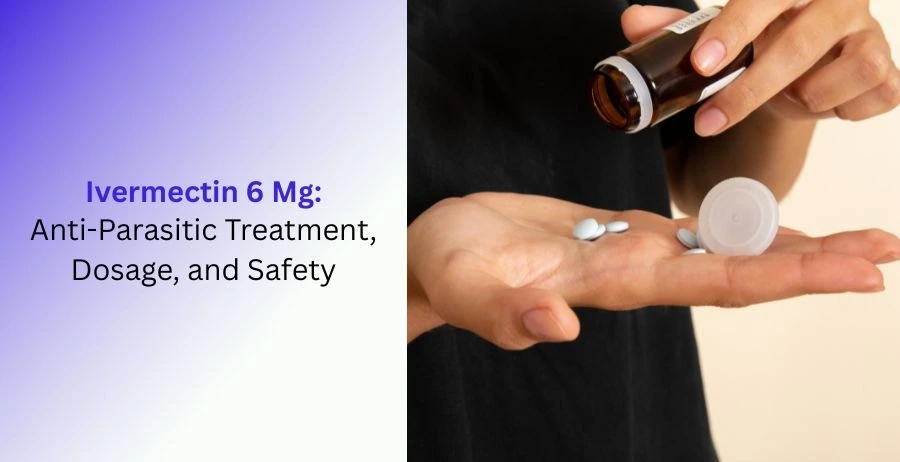
Ivermectin 6 mg is a widely recognized prescription medication used to treat various parasitic infections in humans. This powerful anti-parasitic drug works by targeting and eliminating parasites such as worms and mites, helping patients recover from conditions that can otherwise cause significant discomfort and health issues.
In this comprehensive guide, we will explore Ivermectin 6 mg tablet uses, how it works, recommended Ivermectin 6 mg dosage for humans, possible side effects, safety precautions, and answers to frequently asked questions. Whether you are a patient, caregiver, or researcher, this guide provides clear, factual, and practical information about Ivermectin 6 mg tablets.
What is Ivermectin 6 Mg?
Ivermectin 6 Mg is a prescription medication commonly used as an anti‑parasitic drug to treat infections caused by parasites in humans. It belongs to a class of drugs called anthelmintics — medicines that kill or disable parasitic worms and other parasites.
In clinical practice, ivermectin is approved for treating specific parasitic diseases in humans. It works by interfering with the nervous system of organisms such as worms or mites, ultimately paralyzing and eliminating them.
Note: Ivermectin is available in different strengths; the 6 mg tablet is one of the standard dosages used in adults and suitable weight‑based doses for children, whenever medically appropriate.
How Does Ivermectin Work?
Ivermectin works by targeting the nervous system of parasites, affecting their nerve and muscle functions. This mechanism leads to paralysis and death of the parasites, so your body can eliminate them naturally.
It does not directly eliminate symptoms caused by the parasite — rather it stops the organism from reproducing and surviving. The symptoms gradually improve as the parasite load decreases. This action makes it effective for specific infections, although not all conditions involving parasites.
What Is Ivermectin 6 Mg Tablet Used For?
Although medical guidelines vary by country, ivermectin tablet uses include:
1. Strongyloidiasis
This is an intestinal infection caused by Strongyloides stercoralis, a parasitic worm. Ivermectin is one of the first‑line treatments used to clear this infection in adults and certain children.
2. Onchocerciasis (River Blindness)
Onchocerciasis is a chronic infection caused by a worm transmitted by black fly bites. It affects the skin and eyes and, without treatment, can lead to severe itching or vision problems. Ivermectin is used to significantly reduce parasite load and symptoms.
3. Off‑Label Uses Like Scabies
Although not approved by all regulatory bodies specifically for scabies, ivermectin scabies dosage 6 mg is often prescribed “off‑label” when standard topical treatments fail, or in cases of widespread scabies involvement.
Important: Off‑label means that while the drug may not be officially approved for that specific use by regulators, healthcare providers sometimes prescribe it when they believe it offers benefit. Always follow medical guidance.
Ivermectin 6 Mg Dosage for Humans
Proper dosage is essential for safety and effectiveness. The right dose depends on the condition being treated, a person’s body weight, and other medical factors determined by a healthcare professional.
Here’s a general overview of how ivermectin 6 mg dosage for humans is approached:
General Guidelines Based on Weight
For adults and children weighing 25–44 kg, the dose might be approximately 6 mg taken orally once (or as prescribed by your doctor).
Strongyloidiasis & Onchocerciasis
In these conditions, ivermectin may be given as a single dose, with repeat dosing sometimes necessary depending on clinical response and parasite burden.
Scabies
When used in cases of scabies, the dosage is calculated based on body weight — often described as 200 micrograms/kg, which roughly aligns with about 6 mg per dose for many adults, repeated as needed.
⚠️ VERY IMPORTANT: Always consult your doctor for specific dosing. Never self‑medicate or adjust doses without medical advice.
How Is Ivermectin Taken?
Ivermectin tablets are typically taken:
✔ With water
✔ On an empty stomach for best effectiveness (or as advised by your clinician)
✔ According to exactly what your physician prescribes
Your doctor will determine:
- The number of tablets
- The interval between doses
- Whether repeat doses are needed
Always follow your doctor’s instructions and finish the prescribed course — even if you start feeling better before the medicine is finished.
Common Side Effects of Ivermectin
Like all medicines, Ivermectin 6 mg may cause side effects. Most are mild and temporary, but some require medical attention.
Mild Side Effects
- Dizziness
- Diarrhea
- Nausea
- Fatigue
- Skin itching or rash
- Headache
These usually resolve on their own within a few days.
Serious Side Effects (Rare)
- Severe allergic reactions
- Neurological symptoms (confusion, severe sleepiness)
- Vision changes
- Rash or blistering
If you experience these, seek medical attention immediately.
Safety and Precautions
Before taking ivermectin:
✔ Tell your doctor if you are pregnant or breastfeeding
✔ Mention other medicines you take
✔ Disclose any history of liver, heart, or immune system conditions
Do not take animal formulations of ivermectin — they are not safe for humans and are not regulated for human use.
Can Ivermectin 6 Mg Treat Scabies?
Yes — although not officially approved everywhere, clinicians may prescribe ivermectin for scabies in certain scenarios, especially when topical treatments don’t fully work. This is often referred to as “off‑label use.”
For authoritative information on how scabies is treated, including when oral medications like ivermectin might be considered, you can visit this page discussing scabies treatment options: scabies treatment overview and guidelines.
Frequently Asked Questions (FAQ)
1. What is the difference between Ivermectin 6 Mg tablet uses vs. animal ivermectin?
Human ivermectin formulations are specially manufactured and regulated for safety in people. Animal versions (such as horse paste) are NOT designed for humans and can cause harm. Never substitute or replicate dosages from animal products.
2. Is ivermectin safe during pregnancy?
The safety of ivermectin during pregnancy is not fully established. Pregnant individuals should discuss risks and benefits with their healthcare provider before taking the medication.
3. Can it be used to prevent COVID‑19?
No. Ivermectin is not approved for the treatment or prevention of COVID‑19. Official public health agencies have not recommended it for this purpose.
For up‑to‑date information on approved drug uses and safety, see this FDA overview of medications and advisories: https://www.fda.gov/drugs.
4. How long does it take to work?
Depending on the condition being treated, ivermectin may begin reducing parasite activity shortly after dosing, but full resolution often takes time. Always follow your medical provider’s advice.
5. What if I miss a dose?
Consult your doctor immediately for instruction. Do not self‑adjust your dose.
Conclusion
Ivermectin 6 Mg is a prescription medication with a proven role in treating certain parasitic infections when used under medical supervision. It has transformed outcomes for diseases like strongyloidiasis and onchocerciasis and is sometimes used in specific conditions like scabies under clinical guidance.
Because of its medical importance, accurate information and safe use are essential. You should always consult a healthcare professional before starting any treatment.