
Blog
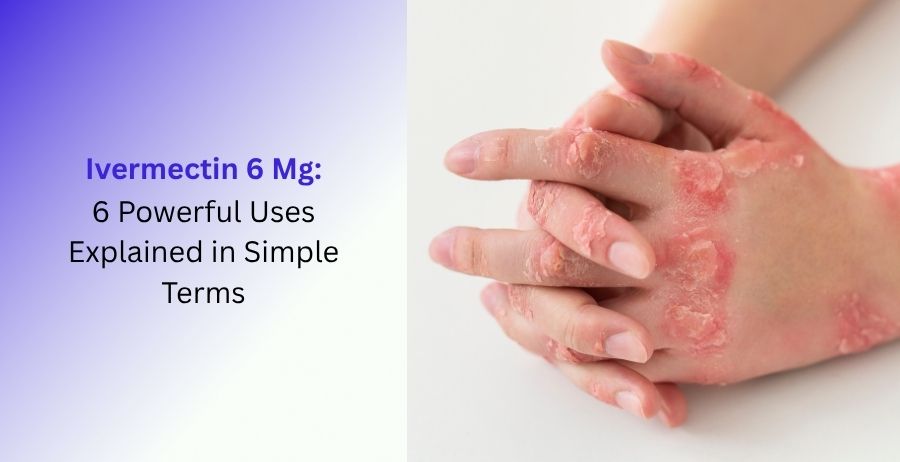
Ivermectin 6 Mg: 6 Powerful Uses Explained in Simple Terms

Introduction
Ivermectin 6 Mg is a widely used antiparasitic medicine that doctors prescribe for treating several infections caused by parasites. Over the years, this medication has gained attention because of its effectiveness, affordability, and broad medical use. Many people search online for terms like Ivermectin 6 mg tablet uses, Ivermectin 6 mg dosage for humans, and Ivermectin 6 mg tablet dosage to better understand how this medicine works and when it is prescribed.
In simple words, Ivermectin helps remove harmful parasites from the body. It is commonly used for conditions such as intestinal worm infections, scabies, lice, and other parasitic diseases. The medicine works by paralyzing and killing parasites so the body can naturally remove them.
Although Ivermectin is considered effective for several medical conditions, it should only be used under proper medical guidance. Taking the wrong dose or using it without advice may lead to side effects or reduced effectiveness.
What Is Ivermectin 6 Mg?
Ivermectin 6 Mg is an antiparasitic tablet used to treat infections caused by parasites, worms, and certain skin conditions. The active ingredient is ivermectin, which belongs to a group of medicines called antiparasitic agents.
Doctors prescribe this medicine to eliminate parasites that live inside or on the body. It is commonly used in both adults and children when recommended by healthcare professionals.
The medicine became globally recognized because of its effectiveness in treating parasitic diseases. According to the World Health Organization (WHO), ivermectin has played an important role in controlling certain neglected tropical diseases in many countries.
How Does Ivermectin 6 Mg Work?
The medicine works by targeting the nervous system of parasites. It interferes with their nerve and muscle function, which causes paralysis and eventually kills them.
Once the parasites die, the body naturally removes them through the digestive system or skin healing process.
Unlike antibiotics that fight bacteria, Ivermectin 6 Mg specifically targets parasites. That is why doctors prescribe it only for certain infections.
6 Powerful Uses of Ivermectin 6 Mg Explained in Simple Terms
1. Treatment of Intestinal Worm Infections
One of the most common Ivermectin 6 mg tablet uses is treating intestinal worm infections.
Parasitic worms can enter the body through contaminated food, water, or poor hygiene. These infections may cause symptoms like:
- Stomach pain
- Diarrhea
- Weakness
- Weight loss
- Fatigue
Ivermectin helps remove these worms from the intestines and improves overall health.
Doctors may prescribe it for infections such as:
- Strongyloidiasis
- Roundworm infections
- Certain tropical parasitic diseases
For more information about parasitic diseases, you can visit Centers for Disease Control and Prevention (CDC) – Parasites.
2. Scabies Treatment
Another major use of Ivermectin 6 Mg is treating scabies.
Scabies is a contagious skin condition caused by tiny mites that burrow into the skin. It usually leads to:
- Severe itching
- Skin rashes
- Red bumps
- Irritation during the night
When creams or lotions do not work properly, doctors may prescribe ivermectin tablets.
The medicine helps kill the mites responsible for the infection. In many cases, patients notice improvement within a few days after treatment.
Maintaining hygiene and washing clothes properly are also important during scabies treatment.
3. Head Lice Treatment
Head lice are tiny insects that live on the scalp and feed on blood. They spread easily through close contact, especially among school children.
Symptoms include:
- Itchy scalp
- Visible lice or eggs
- Irritation
- Difficulty sleeping
Doctors sometimes use Ivermectin 6 Mg when regular lice shampoos fail to work.
The medicine targets the lice and prevents them from surviving on the scalp.
For better results, families are usually advised to:
- Wash bedding
- Clean hair accessories
- Avoid sharing combs or towels
4. River Blindness (Onchocerciasis)
One of the globally recognized uses of ivermectin is treating river blindness, also called onchocerciasis.
This disease is caused by parasitic worms transmitted through blackfly bites. It can lead to:
- Skin itching
- Eye damage
- Vision problems
- Permanent blindness in severe cases
Ivermectin helps reduce the number of parasites in the body and prevents complications.
Large public health programs around the world have used ivermectin to control this disease successfully.
You can learn more from WHO – Onchocerciasis Information.
5. Filariasis and Other Tropical Infections
Doctors also use Ivermectin 6 Mg for certain tropical parasitic infections such as filariasis.
Filariasis is caused by parasitic worms spread by mosquitoes. It may cause:
- Swelling of arms or legs
- Fever
- Skin thickening
- Lymphatic system problems
Ivermectin helps control the spread of parasites inside the body.
This medicine is often included in public health programs in tropical regions where these infections are common.
6. Rosacea and Skin Conditions (Off-Label Use)
In some cases, ivermectin may be prescribed for skin conditions like rosacea.
Rosacea is a chronic skin condition that causes:
- Facial redness
- Pimples
- Skin irritation
- Sensitive skin
Doctors may recommend topical ivermectin creams or oral tablets in selected situations.
The medicine helps reduce inflammation and certain microscopic organisms linked to skin irritation.
However, this use should only happen under medical supervision.
Ivermectin 6 mg Dosage for Humans
Many people search online for Ivermectin 6 mg dosage for humans because dosage varies depending on the condition being treated.
The correct dose depends on factors such as:
- Body weight
- Age
- Type of infection
- Medical history
- Severity of symptoms
Doctors usually calculate the dosage carefully to ensure safety and effectiveness.
General Dosage Guidelines
Although dosage varies, ivermectin is often taken:
- As a single dose
- On an empty stomach
- With water
- Based on body weight
Some infections may require repeated doses after several days or weeks.
Important Reminder
Never self-medicate or change the dose without consulting a healthcare provider.
Improper use may lead to:
- Treatment failure
- Side effects
- Drug resistance
- Health complications
You can check official medicine safety guidance at U.S. Food & Drug Administration (FDA) – Ivermectin Information.
Ivermectin 6 mg Tablet Dosage
The recommended Ivermectin 6 mg tablet dosage depends on the patient’s body weight and the infection being treated.
For example:
| Condition | Typical Dosage Approach |
|---|---|
| Intestinal parasites | Single oral dose |
| Scabies | One dose with possible repeat |
| Lice | Based on medical evaluation |
| River blindness | Weight-based dose |
| Filariasis | Medical supervision required |
Tips for Taking Ivermectin Tablets
- Take exactly as prescribed
- Do not crush unless advised
- Avoid alcohol during treatment
- Follow hygiene instructions for skin infections
- Complete the full course if recommended
Benefits of Ivermectin 6 Mg
There are several reasons why doctors prescribe Ivermectin 6 Mg.
Fast Action
The medicine works quickly against many parasites.
Effective Against Multiple Infections
It can treat several parasitic conditions using a single medication.
Convenient Dosage
Many patients require only one or two doses.
Trusted Worldwide
Healthcare professionals have used ivermectin for decades in parasite control programs.
Affordable Treatment Option
In many countries, ivermectin remains accessible and cost-effective.
Possible Side Effects of Ivermectin 6 Mg
Like all medicines, ivermectin may cause side effects in some individuals.
Most side effects are mild and temporary.
Common Side Effects
- Nausea
- Dizziness
- Headache
- Stomach discomfort
- Fatigue
- Mild itching
Less Common Side Effects
- Skin rash
- Swelling
- Fever
- Muscle pain
- Diarrhea
Serious Side Effects (Rare)
Seek immediate medical help if you experience:
- Difficulty breathing
- Severe allergic reactions
- Chest pain
- Confusion
- Vision changes
Always inform your doctor if symptoms worsen after taking the medicine.
Precautions Before Taking Ivermectin 6 Mg
Before using Ivermectin 6 Mg, discuss your medical history with your doctor.
Tell Your Doctor If You Have:
- Liver disease
- Kidney problems
- Weak immune system
- Neurological disorders
- Allergies to medications
Pregnancy and Breastfeeding
Pregnant or breastfeeding women should only use ivermectin if recommended by a doctor.
Children
Dosage for children must be carefully calculated by healthcare professionals.
Who Should Avoid Ivermectin?
Some individuals may need extra caution or alternative treatments.
Avoid taking ivermectin without medical approval if you:
- Have severe liver disease
- Are allergic to ivermectin
- Take medications that interact with it
- Have certain neurological conditions
Drug Interactions
Ivermectin may interact with certain medicines.
Examples include:
- Blood thinners
- Sedatives
- Anti-seizure medications
- Some antibiotics
Always share your current medication list with your healthcare provider.
Can Ivermectin Be Used for Viral Infections?
This is one of the most misunderstood topics online.
Ivermectin is primarily approved for parasitic infections. It is not generally recommended as a routine treatment for viral illnesses unless specifically advised by qualified healthcare professionals.
People should avoid self-medicating based on internet trends or unverified information.
Tips for Safe Use of Ivermectin 6 Mg
To use this medicine safely:
- Follow your doctor’s instructions carefully
- Take the correct dose only
- Avoid skipping doses
- Maintain hygiene during treatment
- Store tablets in a cool, dry place
- Keep away from children
Signs That the Medicine Is Working
The effectiveness depends on the condition being treated.
You May Notice:
- Reduced itching
- Improved digestion
- Less skin irritation
- Fewer visible parasites
- Better energy levels
Some infections take longer to clear completely.
How Long Does Ivermectin Stay in the Body?
Ivermectin may remain in the body for several days after taking it.
However, the exact duration depends on:
- Dosage
- Age
- Liver function
- Overall health
Doctors may recommend follow-up treatment if necessary.
Importance of Medical Supervision
Even though ivermectin is commonly used, proper diagnosis is important.
Many symptoms of parasitic infections can resemble other illnesses.
Self-treatment may delay proper care or worsen health problems.
Always seek professional medical guidance before using prescription medication.
Storage Instructions
Store Ivermectin 6 Mg:
- At room temperature
- Away from direct sunlight
- In original packaging
- Away from moisture
Do not use expired medicine.
Lifestyle and Hygiene Tips During Treatment
For skin-related infections like scabies or lice:
- Wash clothes and bedding in hot water
- Avoid sharing personal items
- Maintain good personal hygiene
- Trim nails regularly
- Clean living spaces thoroughly
These steps help prevent reinfection.
Myths and Facts About Ivermectin
Myth: Ivermectin cures every infection
Fact:
It mainly treats parasitic infections, not all illnesses.
Myth: Higher doses work faster
Fact:
Taking too much medicine can be dangerous.
Myth: It can be used without a prescription
Fact:
Medical supervision is strongly recommended.
Frequently Asked Questions (FAQs)
1. What is Ivermectin 6 Mg used for?
Ivermectin 6 Mg is mainly used to treat parasitic infections such as intestinal worms, scabies, lice, and certain tropical diseases.
2. How should I take Ivermectin 6 Mg?
Take the medicine exactly as prescribed by your doctor, usually on an empty stomach with water.
3. What are the common Ivermectin 6 mg tablet uses?
Common uses include treating:
- Scabies
- Head lice
- Intestinal worm infections
- River blindness
- Filariasis
4. What is the recommended Ivermectin 6 mg dosage for humans?
The dosage depends on body weight, medical condition, and doctor recommendations.
5. Can I take ivermectin daily?
Ivermectin is not usually taken daily unless specifically prescribed by a healthcare professional.
6. Are there side effects of Ivermectin 6 Mg?
Yes. Some people may experience nausea, dizziness, headache, or stomach discomfort.
7. Can children take Ivermectin 6 Mg?
Children may take it only under medical supervision with proper dosage calculation.
8. Is ivermectin safe during pregnancy?
Pregnant women should use ivermectin only if advised by a qualified doctor.
9. Can Ivermectin treat skin infections?
Yes, doctors commonly prescribe it for scabies and certain skin-related parasitic infections.
10. What happens if I miss a dose?
If you miss a scheduled dose, contact your healthcare provider for advice.
Final Thoughts
Ivermectin 6 Mg remains one of the most recognized antiparasitic medicines used worldwide. From intestinal worms to scabies and tropical infections, this medicine has helped millions of people manage parasitic diseases effectively.
Understanding the proper Ivermectin 6 mg tablet uses, recommended dosage, precautions, and side effects is important for safe treatment. Although the medicine can be highly effective, it should always be used responsibly and under professional guidance.
If you think you may have a parasitic infection, consult a healthcare provider for accurate diagnosis and treatment recommendations.
Using medicines correctly not only improves recovery but also helps prevent complications and misuse.