
Blog
Iverjohn 12 mg: Important Ivermectin Information for Patients

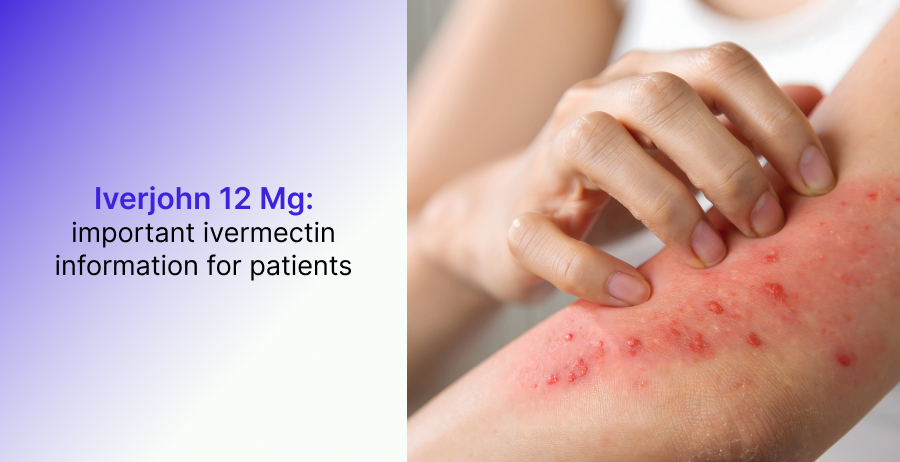
Iverjohn 12 mg contains ivermectin, an antiparasitic medicine used to treat certain parasitic infections. Ivermectin has established medical uses, but it is not appropriate for every type of parasite or infection. The correct treatment depends on the diagnosis, patient characteristics, and local medical guidance.
For patients in the USA and UK, it is especially important to distinguish approved uses of ivermectin from claims circulating online about conditions for which it has not been established as an effective treatment.
This guide explains what Iverjohn 12 mg contains, its established uses, how ivermectin works, important precautions, potential side effects, and common questions patients may have.
What Is Iverjohn 12 mg?
Iverjohn 12 mg tablet is a containing 12 mg of ivermectin as its active ingredient. Ivermectin belongs to the antiparasitic group of medicines called anthelmintics.
Ivermectin is used in human medicine for specific parasitic infections. Depending on the condition, treatment may target intestinal worms or parasites affecting other parts of the body.
The 12 mg strength does not mean that every patient should take one tablet. Ivermectin dosing can depend on the infection, body weight, age, and treatment protocol.
Patients should follow the instructions provided by their healthcare professional rather than choosing a dose independently.
What Is Iverjohn 12 mg Used For?
Ivermectin has established uses for certain parasitic infections. One important indication is intestinal strongyloidiasis, an infection caused by the parasitic roundworm Strongyloides stercoralis.
Ivermectin is also used for onchocerciasis, a parasitic disease caused by Onchocerca volvulus.
Depending on local clinical recommendations and individual circumstances, ivermectin may also be prescribed for certain ectoparasitic conditions, such as scabies.
The appropriate use depends on the diagnosis. Ivermectin should not be considered a general-purpose medicine for every worm infection.
How Does Ivermectin Work?
Ivermectin acts on specific chloride channels found in susceptible parasites.
By increasing chloride-ion movement across parasite cell membranes, ivermectin interferes with normal nerve and muscle function. This causes paralysis of susceptible parasites and contributes to their elimination.
Its selectivity for parasite targets helps explain its therapeutic activity at appropriate doses.
The response to treatment can vary depending on the parasite, severity of infection, and individual patient factors.
Iverjohn 12 mg Dosage Information
There is no universal ivermectin dose that applies to every condition.
For some infections, ivermectin dosing is based on body weight. The treatment may involve one dose or a different schedule depending on the infection and clinical recommendations.
Patients should not assume that taking one 12 mg tablet is automatically the correct treatment. The prescribed amount may be higher or lower depending on the patient’s weight and medical condition.
Do not increase the dose, repeat treatment, or combine ivermectin with another antiparasitic medicine unless instructed by a healthcare professional.
How to Take Iverjohn 12 mg
Take Iverjohn 12 mg exactly as directed by your doctor or pharmacist.
Follow the specific instructions provided with your prescription regarding timing and food. Different ivermectin products and indications may have different administration instructions.
Important points include:
- Take only the prescribed dose.
- Do not take extra tablets if symptoms do not improve immediately.
- Do not share your medicine with another person.
- Tell your doctor about other medicines you are taking.
- Follow recommended follow-up testing where applicable.
- Ask a pharmacist or doctor what to do if you miss a dose.
If you are unsure about how to take your medicine, confirm the instructions before taking it.
Important Precautions Before Taking Iverjohn 12 mg
Before using ivermectin, tell your healthcare professional about your medical history and all medicines or supplements you use.
Medical advice is particularly important if you:
- Have liver disease or abnormal liver function.
- Are pregnant or planning a pregnancy.
- Are breastfeeding.
- Have a history of medication allergies.
- Take medicines that may interact with ivermectin.
- Have an uncertain diagnosis.
- Have recently traveled to an area where parasitic infections are common.
- Are taking other medicines that affect the central nervous system.
Your healthcare professional can determine whether ivermectin is appropriate and whether additional monitoring is necessary.
Iverjohn 12 mg and Pregnancy
Pregnant patients should not self-medicate with ivermectin.
If a parasitic infection is diagnosed during pregnancy, a healthcare professional can evaluate the potential benefits and risks of available treatment options.
The decision may depend on the type and severity of the infection, pregnancy stage, and available clinical evidence.
Iverjohn 12 mg and Breastfeeding
Ivermectin can be present in breast milk. People who are breastfeeding should discuss treatment with a healthcare professional before taking Iverjohn 12 mg.
The healthcare professional can consider the reason for treatment, dose, timing, and the health and age of the infant.
Possible Side Effects of Iverjohn 12 mg
Like all medicines, ivermectin can cause side effects.
Possible side effects may include:
- Headache
- Dizziness
- Nausea
- Diarrhea
- Abdominal discomfort
- Weakness or fatigue
- Skin reactions
Some patients being treated for particular parasitic infections can also experience reactions caused by the death of parasites. These reactions can vary depending on the parasite burden and type of infection.
Seek prompt medical attention if you experience severe dizziness, confusion, difficulty breathing, facial swelling, severe skin reactions, or other serious symptoms.
Ivermectin Drug Interactions
Ivermectin may interact with certain medicines.
Before taking Iverjohn 12 mg, provide your doctor or pharmacist with a complete list of:
- Prescription medicines
- Over-the-counter medicines
- Vitamins
- Herbal products
- Dietary supplements
Do not start another antiparasitic medicine at the same time unless your healthcare professional recommends it.
Iverjohn 12 mg and COVID-19
Ivermectin has received considerable attention because of claims concerning COVID-19.
However, ivermectin should not be used to prevent or treat COVID-19 unless specifically recommended within an appropriate clinical context. Major health authorities have not recommended routine ivermectin use for COVID-19.
Taking medication without an appropriate indication can expose patients to unnecessary risks and may delay proper medical treatment.
Iverjohn 12 mg vs Other Antiparasitic Medicines
Different antiparasitic medicines target different parasites. The following comparison provides general information:
| Feature | Iverjohn 12 mg / Ivermectin | Albendazole | Praziquantel | Niclosamide |
|---|---|---|---|---|
| Drug class | Avermectin antiparasitic | Benzimidazole | Anthelmintic | Anthelmintic |
| Main role | Certain parasitic infections | Selected worm infections | Several parasitic infections | Certain intestinal tapeworms |
| Strongyloidiasis | Established treatment | Alternative in selected circumstances | Not standard | Not used |
| Onchocerciasis | Established treatment | Not standard | Not standard | Not used |
| Some ectoparasitic conditions | Can be used in selected cases | Not generally first-line | Not generally first-line | Not generally used |
| Treatment choice | Diagnosis dependent | Diagnosis dependent | Diagnosis dependent | Diagnosis dependent |
| Self-treatment | Not recommended | Not recommended | Not recommended | Not recommended |
The most appropriate medicine depends on the parasite and the individual patient’s circumstances.
Why Proper Diagnosis Is Important
Symptoms such as stomach discomfort, diarrhea, itching, fatigue, or unexplained weight changes can occur for many reasons.
Using an antiparasitic medicine without confirming the underlying cause may result in ineffective treatment.
Depending on the suspected infection, a healthcare professional may recommend stool testing, blood tests, physical examination, travel-history assessment, or other diagnostic procedures.
Correct diagnosis helps determine whether ivermectin is appropriate and what treatment schedule should be used.
Safety Tips for Patients
Patients using Iverjohn 12 mg should keep several principles in mind:
- Use ivermectin only for an appropriate medical indication.
- Follow the prescribed dose and schedule.
- Do not take additional tablets without professional advice.
- Do not share ivermectin with other people.
- Tell your doctor about all medicines and supplements.
- Do not use veterinary ivermectin products as substitutes for human medication.
- Keep the medicine away from children.
- Store it according to the product label.
- Contact your healthcare professional if symptoms persist.
- Complete recommended follow-up when required.
Frequently Asked Questions
1. What is Iverjohn 12 mg?
Iverjohn 12 mg contains 12 mg of ivermectin, an antiparasitic medicine used to treat certain parasitic infections.
2. What is Iverjohn 12 mg used for?
Ivermectin is used for specific parasitic infections, including strongyloidiasis and onchocerciasis. It may also be used for certain other conditions under medical guidance.
3. Is Iverjohn 12 mg a deworming tablet?
It can treat certain parasitic worms, but it does not work against every type of worm. The appropriate medicine depends on the parasite.
4. How much Iverjohn 12 mg should I take?
The dose depends on factors such as the infection and body weight. A healthcare professional should determine the appropriate dose.
5. Can I take Iverjohn 12 mg without medical advice?
Self-treatment is not recommended. A proper diagnosis helps determine whether ivermectin is the correct medicine.
6. What are common side effects?
Possible effects include headache, dizziness, nausea, diarrhea, abdominal discomfort, and fatigue.
7. Can Iverjohn 12 mg treat COVID-19?
Ivermectin is not recommended as a routine treatment or preventive medicine for COVID-19 by major health authorities.
8. Can pregnant people take ivermectin?
Pregnant people should discuss ivermectin treatment with a healthcare professional before use.
9. Can ivermectin be used while breastfeeding?
Because ivermectin can enter breast milk, breastfeeding patients should consult a healthcare professional before treatment.
10. Can I take ivermectin with other medicines?
Potential interactions exist. Tell your doctor or pharmacist about all medicines, supplements, and herbal products you use.
11. Does Iverjohn 12 mg treat tapeworms?
Ivermectin is not generally a first-line treatment for common intestinal tapeworm infections. Other antiparasitic medicines may be preferred depending on the specific parasite.
12. Can ivermectin treat scabies?
Ivermectin can be used in certain scabies treatment situations under professional guidance. Treatment depends on individual circumstances and local recommendations.
13. Can children take Iverjohn 12 mg?
Children should receive ivermectin only when it is considered appropriate by a healthcare professional. Dosing depends on factors such as age, weight, and diagnosis.
14. What happens if I miss an ivermectin dose?
Do not automatically take an extra dose. Contact your doctor or pharmacist for advice based on your specific treatment schedule.
15. How long does Iverjohn 12 mg take to work?
The response depends on the infection and parasite involved. Some symptoms may improve gradually rather than immediately.
Conclusion
Iverjohn 12 mg contains ivermectin, an established antiparasitic medicine used for specific parasitic infections. It can be an effective treatment when the correct diagnosis, dose, and treatment schedule are selected.
However, ivermectin is not a universal deworming medicine, and the correct dose varies according to the condition and patient characteristics. Patients should not choose their dose or repeat treatment without professional advice.
For USA and UK readers, it is particularly important to distinguish medically established uses from unsupported online claims. Ivermectin should not be self-used for COVID-19 or other conditions for which it has not been recommended.