
Blog
Fenbendazole 222 Mg: A Complete Guide to Uses, Benefits, Dosage, and Safety

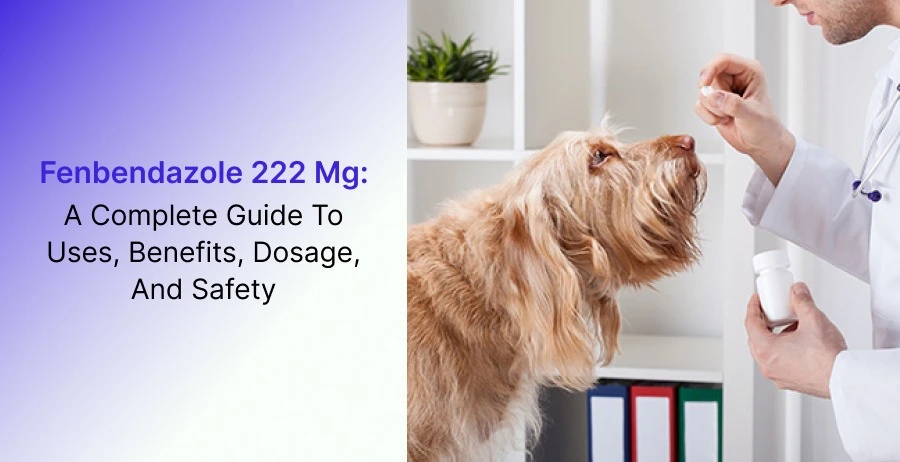
Fenbendazole 222 Mg has become a widely discussed compound in veterinary care, especially for treating parasitic infections in animals. Among its available forms, Fenbendazole 222 Mg stands out as a commonly used dosage due to its effectiveness and ease of administration. Whether you are a pet owner, a livestock caretaker, or someone researching antiparasitic treatments, understanding how this medication works is essential.
In this comprehensive guide, we will explore everything about Fenbendazole 222 Mg capsules, tablets, and their usage—particularly in dogs—along with dosage recommendations, benefits, precautions, and frequently asked questions.
What is Fenbendazole 222 Mg?
Fenbendazole is a broad-spectrum antiparasitic medication belonging to the benzimidazole class. It is primarily used to eliminate gastrointestinal parasites such as roundworms, hookworms, whipworms, and certain types of tapeworms.
Fenbendazole 222 Mg refers to a specific dosage strength that is commonly used in veterinary medicine. It is available in different forms, including:
- Fenbendazole 222 Mg capsules
- Fenbendazole 222 Mg tablets
- Powder or granule forms
This medication works by disrupting the metabolism of parasites, preventing them from absorbing nutrients, which ultimately leads to their death.
How Does Fenbendazole Work?
Fenbendazole works by interfering with the microtubule formation in parasite cells. Microtubules are essential for cellular structure and nutrient absorption. When these structures are disrupted, parasites are unable to survive.
The drug targets:
- Intestinal worms
- Lungworms
- Certain protozoa (like Giardia in some cases)
Because of its mechanism, Fenbendazole is considered highly effective and relatively safe when used correctly.
Common Uses of Fenbendazole 222 Mg
1. Treatment of Intestinal Parasites
The primary use of Fenbendazole 222 Mg tablets is to treat intestinal worm infections. These infections are common in pets and livestock and can lead to symptoms such as:
- Diarrhea
- Weight loss
- Vomiting
- Poor coat condition
2. Fenbendazole 222 Mg for Dogs
One of the most popular uses is Fenbendazole 222 Mg for dogs. Veterinarians often prescribe it for:
- Roundworms
- Hookworms
- Whipworms
- Certain tapeworms
Dogs are especially prone to parasitic infections, especially puppies. Fenbendazole provides a reliable and safe solution for deworming.
If you want to understand more about proper veterinary parasite treatment, you can explore this detailed resource on pet parasite control guide which explains how deworming schedules are maintained.
3. Giardia Treatment
Fenbendazole is sometimes used off-label to treat Giardia infections. While not always the first-line treatment, it can be effective in certain cases.
4. Livestock Applications
Fenbendazole is also widely used in livestock, including:
- Cattle
- Sheep
- Goats
Its broad-spectrum activity makes it a valuable tool in farm management.
Benefits of Fenbendazole 222 Mg
There are several reasons why Fenbendazole 222 Mg capsules and tablets are widely used:
1. Broad-Spectrum Action
It targets multiple types of parasites, reducing the need for multiple medications.
2. Safety Profile
Fenbendazole is generally well-tolerated, even in young animals.
3. Ease of Administration
Available in tablets and capsules, it is easy to administer with food.
4. Cost-Effective
Compared to other treatments, it is affordable and widely accessible.
Fenbendazole 222 Mg Capsules vs Tablets
Both forms are effective, but there are slight differences:
Capsules
- Easy to swallow
- Can be hidden in food
- Preferred for precise dosing
Tablets
- Can be crushed or split
- More versatile for different animals
Choosing between Fenbendazole 222 Mg capsules and tablets depends on your pet’s preference and ease of administration.
Dosage Guidelines
Proper dosage is crucial for effectiveness and safety. While always consult a veterinarian, general guidelines include:
For Dogs
- Typically given once daily for 3–5 days
- Dosage depends on body weight
When using Fenbendazole 222 Mg for dogs, ensure:
- Accurate weight measurement
- Consistent dosing schedule
For a deeper understanding of dosage calculations, you can refer to this helpful guide on animal medication dosage chart, which explains how veterinarians determine proper dosing.
How to Administer Fenbendazole
Here are some practical tips:
- Mix with food to improve acceptance
- Give at the same time each day
- Complete the full course, even if symptoms improve
Consistency is key to ensuring all parasites are eliminated.
Possible Side Effects
Fenbendazole is generally safe, but mild side effects may occur:
- Vomiting
- Diarrhea
- Temporary loss of appetite
These effects are usually short-lived. Severe reactions are rare but should be reported to a veterinarian immediately.
Precautions and Safety Measures
Before using Fenbendazole 222 Mg tablets, consider the following:
1. Veterinary Consultation
Always consult a vet before starting treatment.
2. Pregnancy and Nursing
Fenbendazole is often considered safe, but dosage adjustments may be needed.
3. Drug Interactions
Inform your vet about other medications your pet is taking.
Storage Instructions
To maintain effectiveness:
- Store in a cool, dry place
- Keep away from direct sunlight
- Keep out of reach of children and pets
Misuse and Misconceptions
In recent years, Fenbendazole has gained attention for non-veterinary uses. However, it is important to understand:
- It is primarily a veterinary drug
- Human use is not officially approved in many regions
- Self-medication can be risky
For accurate medical information, refer to trusted sources like this clinical pharmacology overview of antiparasitic drugs, which explains how such medications are evaluated.
Tips for Pet Owners
If you are using Fenbendazole 222 Mg for dogs, here are some useful tips:
- Maintain hygiene in your pet’s environment
- Regularly clean bedding and feeding areas
- Follow a deworming schedule recommended by your vet
Prevention is always better than cure.
Frequently Asked Questions (FAQ)
1. What is Fenbendazole 222 Mg used for?
It is used to treat parasitic infections such as roundworms, hookworms, whipworms, and some tapeworms in animals.
2. Is Fenbendazole 222 Mg safe for dogs?
Yes, Fenbendazole 222 Mg for dogs is generally safe when used according to veterinary guidelines.
3. How long does it take to work?
It typically starts working within a few days, but full treatment usually lasts 3–5 days.
4. Can I use Fenbendazole without a vet?
It is not recommended. Always consult a veterinarian for proper dosage and diagnosis.
5. What is the difference between capsules and tablets?
Fenbendazole 222 Mg capsules are easier to swallow, while tablets can be crushed or split for flexible dosing.
6. Are there any side effects?
Side effects are usually mild and may include vomiting or diarrhea.
7. Can puppies take Fenbendazole?
Yes, but the dosage must be carefully adjusted based on weight and age.
8. How often should I deworm my dog?
Most dogs should be dewormed every 3–6 months, depending on lifestyle and risk factors.
9. Can Fenbendazole treat all parasites?
It treats many common parasites but not all. Your vet may recommend additional treatments if needed.
10. How should I store Fenbendazole 222 Mg tablets?
Store them in a cool, dry place away from sunlight and moisture.
Final Thoughts
Fenbendazole 222 Mg is a reliable and effective antiparasitic medication widely used in veterinary care. Whether you choose Fenbendazole 222 Mg capsules or tablets, the key to success lies in proper usage, correct dosage, and consistent administration.
For pet owners, especially dog owners, maintaining a regular deworming schedule is essential for ensuring long-term health. With the right approach and veterinary guidance, Fenbendazole can play a vital role in keeping your pets parasite-free and healthy.