
Blog
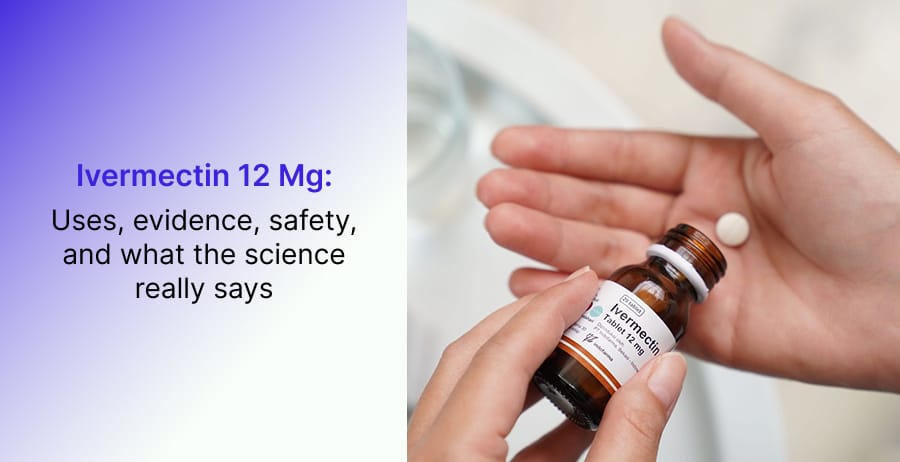
Ivermectin 12 mg: Uses, Evidence, Safety, and What the Science Really Says

Introduction
Ivermectin 12 mg is a prescription medication that has been widely discussed in both medical and public settings. This article is intended for readers seeking accurate, science-based information—including patients, caregivers, and health-conscious individuals—who want to understand what ivermectin 12 mg is, what it is used for, and what the evidence actually supports.
Because misinformation has circulated widely, especially online, this guide focuses strictly on verified medical uses, established research, and safety considerations, following E-E-A-T (Experience, Expertise, Authoritativeness, Trustworthiness) principles.
What Is Ivermectin 12 mg?
Ivermectin 12 mg is an antiparasitic medication originally developed in the 1970s. It is listed on the World Health Organization’s Model List of Essential Medicines for specific parasitic diseases.
“Ivermectin 12 mg” refers to the tablet strength, not a universal dose. The appropriate dose depends on:
- The medical condition being treated
- Body weight
- Age
- Overall health
Ivermectin is FDA-approved and internationally accepted only for certain parasitic infections, not for viral diseases.
How It Works (Mechanism of Action)
Ivermectin 12 mg works by binding to glutamate-gated chloride channels found in the nerve and muscle cells of parasites. This leads to:
- Increased chloride ion permeability
- Paralysis of the parasite
- Eventual death of the parasite
These channels are not present in the same form in humans, which explains ivermectin’s effectiveness and relative safety when used correctly.
Importantly, this mechanism is specific to parasites and does not translate reliably to viruses or other pathogens.
Evidence & Scientific Research
High-quality evidence supports ivermectin’s use in specific parasitic diseases, including:
- Strongyloidiasis
- Onchocerciasis (river blindness)
- Certain scabies infestations
These conclusions are based on:
- Randomized controlled trials
- Systematic reviews
- Decades of post-marketing surveillance
Limitations of Research
- Evidence does not support ivermectin for viral infections such as COVID-19.
- Laboratory (in-vitro) antiviral effects occur at concentrations not achievable or safe in humans.
- Major health authorities have concluded that clinical trial data for non-approved uses is inconclusive or negative.
If evidence is uncertain or conflicting, it is stated clearly: There is no reliable evidence to confirm benefit outside approved indications.
Benefits (Evidence-Based Only)
Proven benefits (for approved uses only):
- Effective treatment of certain parasitic infections
- Reduces parasite burden and related complications
- Long history of global use with established dosing guidelines
Unproven or unsupported benefits:
- Viral infections (including COVID-19): No reliable evidence to confirm effectiveness
Side Effects & Risks
Common Side Effects
- Nausea
- Diarrhea
- Dizziness
- Fatigue
Less Common but Serious Risks
- Neurological effects (rare, usually with overdose or improper use)
- Allergic reactions
- Liver enzyme elevation
Who Should Use Caution
- People with liver disease
- Those taking interacting medications (e.g., certain sedatives)
- Individuals with conditions affecting the blood–brain barrier
Dosage / Usage / Best Practices
- Ivermectin dosing is weight-based, commonly expressed in micrograms per kilogram (µg/kg), depending on the condition.
- A 12 mg tablet may or may not be appropriate for a given individual.
- Self-medication is strongly discouraged.
⚠️ Using veterinary ivermectin or taking higher-than-prescribed doses can cause serious harm.
Pros and Cons
Pros
- Highly effective for approved parasitic infections
- Generally well tolerated when prescribed correctly
- Backed by decades of research for specific uses
Cons
- Not effective for many conditions it is commonly promoted for
- Risk of misuse and overdose
- Can cause harm when taken without medical supervision
FAQs
1. Is ivermectin 12 mg approved by the FDA?
Yes, but only for specific parasitic infections.
2. Can ivermectin treat COVID-19?
No. Major health authorities state there is no reliable evidence supporting its use for COVID-19.
3. Is 12 mg a standard dose?
No. The correct dose depends on body weight and medical condition.
4. Is ivermectin safe?
It is generally safe when prescribed appropriately. Misuse can be dangerous.
5. Can I buy ivermectin without a prescription?
In many countries, human ivermectin requires a prescription.
6. Is veterinary ivermectin the same?
No. Veterinary products are not safe for human use.
Myths vs Facts
Myth: Ivermectin is a cure-all medication.
Fact: It is effective only for specific parasitic diseases.
Myth: “Natural” drugs are always safe.
Fact: Dose and proper use matter; misuse can cause serious harm.
Who Should & Should Not Use It
May Be Prescribed For:
- Adults and children with diagnosed parasitic infections (under medical care)
Should Avoid or Use With Caution:
- Pregnant individuals (unless clearly indicated)
- People with liver disease
- Those taking interacting medications
- Individuals without a confirmed parasitic diagnosis
Final Verdict / Conclusion
Ivermectin 12 mg is a valuable and evidence-based medication when used for its approved antiparasitic indications. However, it is not a general-purpose treatment and should not be used without medical guidance.
There is no reliable evidence supporting its use for viral infections or many off-label claims. Responsible use, accurate information, and professional supervision are essential for safety and effectiveness.
References / Sources
- World Health Organization (WHO)
- FDA – Ivermectin information page:
https://www.fda.gov/consumers/consumer-updates/ivermectin-and-covid-19