Detailed Description — Clindamycin 300 mg
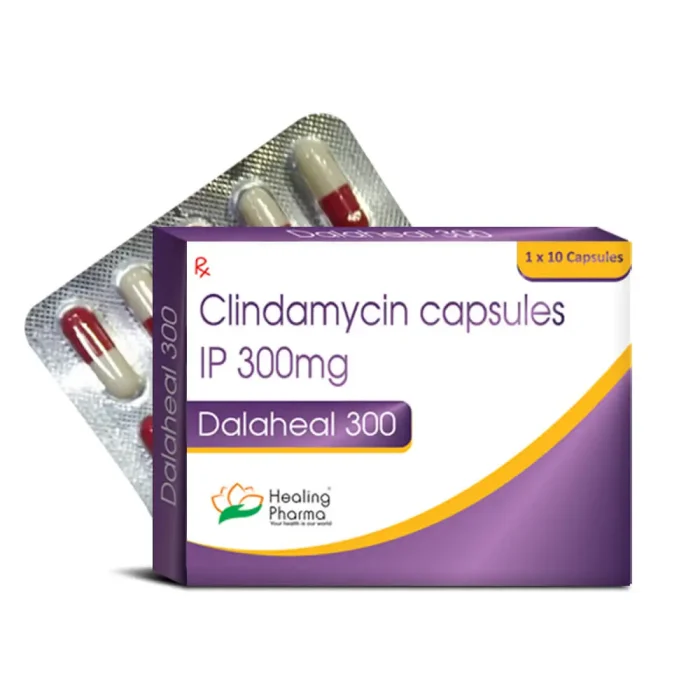
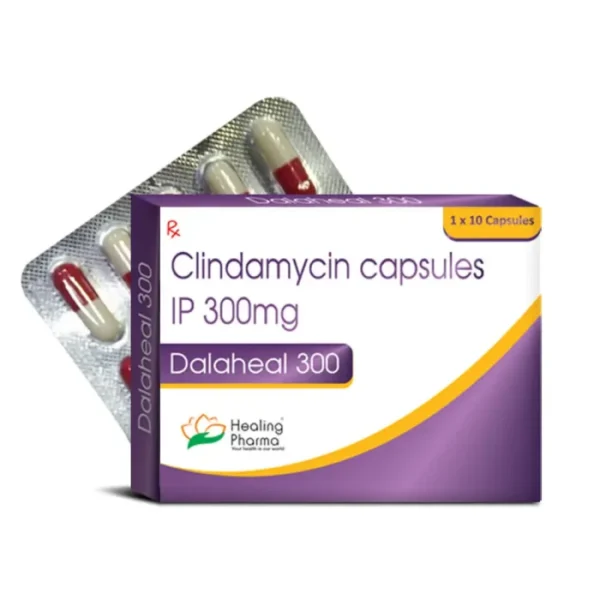
Clindamycin 300 mg is an oral antibiotic belonging to the lincosamide class. It is effective against a wide range of Gram-positive and anaerobic bacteria, making it a versatile choice for treating many bacterial infections. Unlike some antibiotics, clindamycin can penetrate well into bone, skin, and soft tissues, making it particularly useful for serious or deep-seated infections.
Clindamycin is commonly used in conditions where other antibiotics may not be effective or in patients allergic to penicillin. It is available in capsules, oral solutions, and injectable formulations.
How Clindamycin Works
Clindamycin works by:
-
Binding to bacterial ribosomes, specifically the 50S subunit
-
Inhibiting bacterial protein synthesis
-
Preventing bacteria from growing and multiplying
-
Allowing the body’s immune system to eliminate the infection
This bacteriostatic or bactericidal effect depends on the concentration of the drug and type of bacteria.
Uses of Clindamycin 300 mg
Clindamycin 300 mg is prescribed for:
-
Skin and soft tissue infections (cellulitis, abscesses)
-
Respiratory tract infections (pneumonia, sinusitis, bronchitis)
-
Bone and joint infections (osteomyelitis, septic arthritis)
-
Intra-abdominal infections (peritonitis, abscesses)
-
Dental infections (tooth abscesses)
-
Used prophylactically before certain surgeries in patients allergic to penicillin
Dosage & Administration
-
Common adult dose: 300 mg every 6–8 hours (or as prescribed)
-
Swallow capsules whole with water
-
Can be taken with or without food, though food may reduce stomach upset
-
Complete the full prescribed course even if symptoms improve
-
Dose adjustments may be required in patients with liver impairment
Benefits of Clindamycin 300 mg
-
Effective against various bacterial infections
-
Penetrates bone and soft tissue efficiently
-
Alternative for patients allergic to penicillin
-
Available in oral and injectable forms for convenience
-
Can be used prophylactically in surgery to prevent infections
Possible Side Effects
Common side effects:
-
Nausea, vomiting, or diarrhea
-
Abdominal pain or cramps
-
Rash or itching
-
Metallic or unpleasant taste in mouth
Serious side effects (rare):
-
Clostridium difficile-associated diarrhea (CDAD)
-
Severe allergic reactions (hives, swelling, difficulty breathing)
-
Liver toxicity or jaundice
-
Blood disorders (rare)
Patients should report severe diarrhea or allergic reactions immediately.
Precautions & Warnings
-
Inform your doctor if you have a history of colitis, liver disease, or allergies
-
May disrupt normal gut flora, increasing risk of CDAD
-
Not recommended for viral infections
-
Avoid skipping doses to prevent resistance
-
Inform your doctor about all current medications
Drug Interactions
Clindamycin may interact with:
-
Neuromuscular blocking agents (can enhance effects)
-
Other antibiotics like erythromycin (may reduce clindamycin’s effect)
-
Oral contraceptives (efficacy may be reduced in rare cases)
Storage Instructions
-
Store below 25°C in a dry place
-
Keep capsules in original packaging
-
Protect from moisture and light
-
Keep out of reach of children
-
Do not use after expiration date
External Reference
For detailed information about clindamycin, visit:
🔗 https://www.drugs.com/clindamycin.html
Frequently Asked Questions (FAQ)
1. What is Clindamycin 300 mg used for?
It treats bacterial infections of the skin, respiratory tract, bones, joints, dental infections, and intra-abdominal infections.
2. How does clindamycin work?
It inhibits bacterial protein synthesis, stopping bacterial growth.
3. Can I take clindamycin for viral infections?
No, clindamycin is ineffective against viruses.
4. How long does it take to work?
Symptoms may improve within a few days, but the full course should be completed.
5. Can clindamycin cause diarrhea?
Yes, diarrhea is common, but severe or persistent diarrhea may indicate CDAD and requires medical attention.
6. Is clindamycin safe for people allergic to penicillin?
Yes, it is often used as an alternative for penicillin-allergic patients.
7. Can I take it with food?
Yes, it can be taken with or without food. Taking with food may reduce stomach upset.








Reviews
Clear filtersThere are no reviews yet.