
Blog
Ivermectin 12 mg Tablet: Uses, Dosage, Benefits & Essential Facts

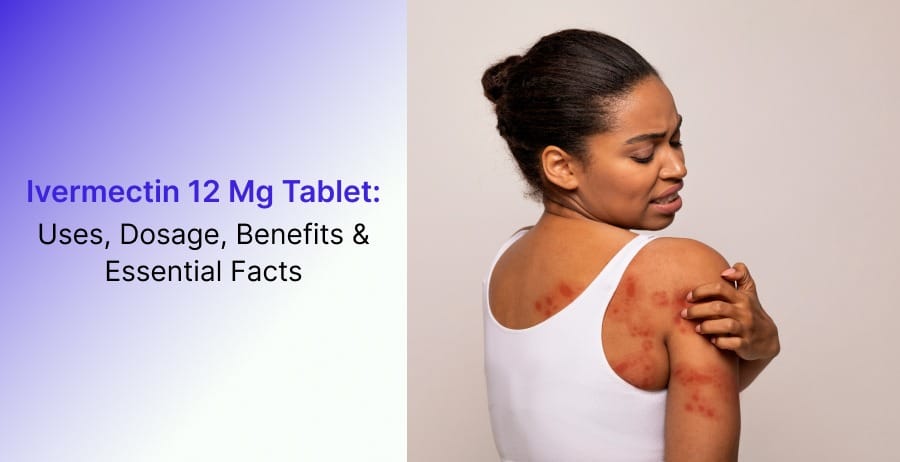
Ivermectin 12 mg tablet has gained attention in recent years for its effectiveness in treating various parasitic infections and other health conditions. This comprehensive guide will explore the uses of Ivermectin 12 mg, its proper dosing, safety considerations, and the science behind how it works in the body. Whether you are a patient, caregiver, or simply curious about this medication, this article provides clear, reliable, and up-to-date information to help you understand everything about Ivermectin 12 mg.
What is Ivermectin 12 mg?
Ivermectin 12 mg is a medication that belongs to the class of drugs known as anti‑parasitic agents. First developed in the late 1970s, it has been widely used around the world to treat infections caused by various parasites, including certain worms, lice, and mites.
A key feature of ivermectin is that it targets parasites selectively, meaning it interferes with parasite nerve and muscle function without causing similar effects in humans at therapeutic doses.
The World Health Organization (WHO) lists ivermectin as an essential medicine, highlighting its importance in global public health. To learn more about its global significance, you can visit the WHO’s essential medicines list here: WHO Essential Medicines.
A Closer Look at Ivermectin 12 mg Tablet
An Ivermectin 12 mg tablet contains 12 milligrams of the active ingredient ivermectin. This strength is commonly manufactured for use in adults and some older adolescents, depending on medical conditions and weight‑based prescribing practices.
Pharmaceutical brands manufacture this tablet formulation in various parts of the world. Each tablet is intended to be taken orally, with or without food, as directed by a qualified healthcare professional.
The clear, standardized dosing of 12 mg makes this tablet convenient for treating several parasitic infections in adults. Always follow prescription instructions and never self‑prescribe, as inappropriate use can cause harm.
How Ivermectin Works in the Body
Ivermectin works by interfering with specific nerve cells in parasites. Parasites depend on communication between nerve cells and muscle cells to survive and reproduce. Ivermectin binds to channels in the nerve cells of parasites, resulting in paralysis and eventually death of the parasite.
In humans, ivermectin has a different effect because the drug does not readily cross the blood‑brain barrier at normal doses. This makes it relatively safe when taken at appropriate therapeutic levels.
It is important to note that ivermectin does not cure all infections — it is effective only against susceptible parasitic organisms. For comprehensive and authoritative information on how ivermectin works, refer to the U.S. National Library of Medicine MedlinePlus Ivermectin.
Common and Approved Uses
The uses of ivermectin are well defined in scientific literature and medical guidelines. Below are the most common conditions for which it may be prescribed:
✔️ Treatment of Parasitic Worm Infections
Ivermectin is used to treat infections such as strongyloidiasis, onchocerciasis (river blindness), and other worm infestations.
✔️ Scabies
Topical or oral use may be prescribed depending on severity and patient factors.
✔️ Lice
Ivermectin is sometimes used to treat head lice, especially when other treatments have failed.
✔️ Veterinary Uses
Though beyond the scope of this blog, ivermectin is also widely used in animals for parasite control.
While ivermectin has been discussed in media for other purposes, only specific uses are medically approved. Always consult reliable health sources for verified information.
How to Take Ivermectin 12 mg Tablet
Taking the Ivermectin 12 mg tablet should be done exactly as instructed by your doctor. General guidance includes:
- Take the tablet whole: Do not crush or break unless advised.
- Food considerations: Most prescriptions allow taking it with or without food, but always follow your prescription label.
- Timing: Take the dose at the same time each day if prescribed for multiple days.
- Do not double dose: If you miss a dose, consult your healthcare provider before adjusting.
Never share prescription medication with others. Medicines that are safe for one person may be inappropriate or unsafe for another.
Ivermectin 12 mg Tablet Uses
Understanding Ivermectin 12 mg tablet uses helps clarify why it is prescribed by healthcare providers:
1. Treatment of Specific Parasitic Infections
This remains the primary indication. For example, onchocerciasis and strongyloidiasis require prescribed doses based on weight and severity.
2. Scabies Control
In certain cases, especially crusted scabies or outbreaks where topical therapy may be less effective, oral ivermectin is prescribed.
3. Head Lice Treatment
If over‑the‑counter lice shampoos fail, a clinician may consider oral ivermectin.
4. Research and Investigational Uses
Ongoing clinical studies may explore ivermectin for conditions beyond traditional parasitic infections. These investigations are closely monitored by scientists and regulatory agencies.
For health professionals’ perspectives and clinical guidelines, drug references like this one from Drugs.com are useful: Ivermectin Uses & Side Effects.
Ivermectin Dosage Guidelines
The term Ivermectin dosage refers to how much medicine you should take and how often. Dosages vary based on factors like:
- The condition being treated
- Your body weight
- Other medical conditions
- Interaction with other medications
Accurate dosing is crucial to therapeutic success and safety.
Ivermectin 12 mg Dosage for Humans
When we talk about Ivermectin 12 mg dosage for humans, it’s essential to understand that:
✔️ It Is Not One‑Size‑Fits‑All
Dosing is commonly calculated by body weight. For certain approved indications, a typical dose might be 150–200 micrograms per kilogram of body weight, given once or repeated depending on the protocol.
✔️ Example
An adult weighing 70 kg might receive closer to 12 mg based on weight calculation, which is why 12 mg tablets are prescribed.
✔️ Medical Supervision Required
Do not estimate or adjust dosage on your own; only a clinician can determine the correct amount based on a complete medical evaluation.
Your doctor will tailor the dose based on your health needs, condition severity, and possible drug interactions.
Side Effects and Safety
Like all medications, Ivermectin 12 mg tablets can cause side effects. Most side effects are mild, but serious reactions are possible.
Common Side Effects
- Nausea
- Diarrhea
- Dizziness
- Mild skin rash
Uncommon but Serious
- Neurological symptoms (e.g., confusion)
- Severe skin reactions
- Allergic reactions
If you experience severe symptoms or allergic signs such as difficulty breathing, swelling, or hives, seek medical care immediately.
To understand the full risk profile and precautions for ivermectin, a detailed health reference such as the U.S. Food & Drug Administration (FDA) drug information page is a credible resource: FDA Drug Information for Consumers.
Important Precautions & Interactions
Before taking Ivermectin 12 mg tablet, inform your doctor about:
- Any other medications you are using
- Allergies to medicines
- Liver problems
- Pregnancy or breastfeeding
- Immune system disorders
Ivermectin can interact with certain drugs and may require adjustments in therapy.
Keep a list of your current medications with you for healthcare visits to avoid interactions.
Myths vs Scientific Facts
There are many online discussions about ivermectin for conditions beyond approved uses. It’s important to separate myth from evidence:
❌ Myth: Ivermectin Cures All Infections
Fact: Ivermectin is not a cure‑all; it treats specific parasitic infections.
❌ Myth: More Dose Means Better Effect
Fact: Higher doses can be dangerous and are not more effective.
❌ Myth: Anyone Can Take Ivermectin
Fact: Only a qualified clinician can determine appropriate use and dosing.
Healthcare decisions should be grounded in scientific evidence and professional guidance.
Expert Tips for Safe Medication Use
Here are practical tips to ensure safe use of ivermectin:
✔️ Always use medications prescribed to you
✔️ Follow dosing instructions precisely
✔️ Store drugs in a cool, dry place
✔️ Ask questions if anything is unclear
✔️ Report side effects promptly
Frequently Asked Questions (FAQs)
Q1. What does Ivermectin 12 mg tablet treat?
A: It is used mainly to treat specific parasitic infections such as strongyloidiasis and onchocerciasis, as well as certain types of scabies and lice under medical guidance.
Q2. Is ivermectin safe for everyone?
A: While generally safe at appropriate doses, it may not be suitable for everyone (e.g., certain liver conditions, pregnancy). A healthcare provider must evaluate each case.
Q3. How often should I take ivermectin?
A: Dosing schedules depend on the condition and weight‑based calculation. Never self‑adjust the dose or schedule.
Q4. Can Ivermectin be used preventively?
A: Preventive use against infections without doctor guidance is not recommended.
Q5. What should I do if I miss a dose?
A: Contact your physician or pharmacist for instructions rather than guessing based on internet information.
Conclusion
The Ivermectin 12 mg tablet is a significant medication in the fight against certain parasitic infections. Extensive research supports its appropriate use, and when prescribed and taken correctly, it can have meaningful therapeutic effects.
However, it’s critical to understand that:
- It should only be used under medical guidance
- Dosing must be carefully determined
- Safety and side effects should be monitored
- Not all conditions benefit from ivermectin
Health literacy empowers you to make safe choices. Always consult licensed healthcare providers, refer to reputable medical resources, and never self‑prescribe.