
Blog
Iverjohn 12 mg: Uses, Safety, Dosage and Antiparasitic Insights

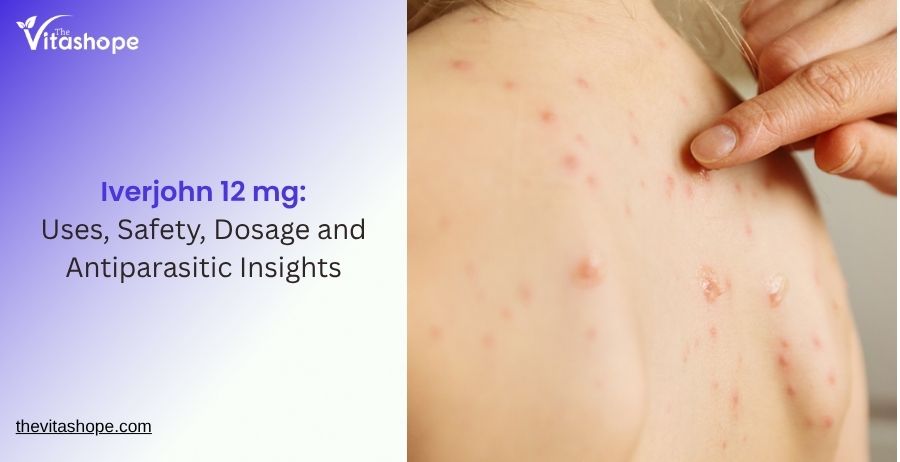
Iverjohn 12 mg is a tablet containing ivermectin, an antiparasitic medicine used to treat certain infections caused by parasites. Ivermectin has been used in human medicine for conditions such as strongyloidiasis and onchocerciasis, while other uses depend on local medical guidelines and the specific diagnosis.
The “12 mg” in Iverjohn 12 mg indicates the amount of ivermectin in the tablet. It should not automatically be interpreted as a universally appropriate dose for every person or every infection. Ivermectin dosing is determined by factors such as the condition being treated, body weight, age, medical history, and other medicines.
Understanding its mechanism, approved uses, safety considerations, and appropriate dosing principles can help patients use ivermectin more responsibly.
What Is Iverjohn 12 mg?
Iverjohn 12 mg is a branded formulation of ivermectin, a medicine belonging to the antiparasitic class known as macrocyclic lactones.
Ivermectin acts against several types of parasites by affecting specific ion channels in their nervous and muscular systems. This can lead to paralysis and elimination of susceptible parasites.
A 12 mg tablet provides a defined amount of active ivermectin. However, the correct treatment regimen depends on the diagnosed infection and the prescribing information applicable to the patient.
Therefore, a 12 mg tablet should not be treated as a standard dose for all parasitic infections.
How Does Ivermectin Work?
Ivermectin has a distinctive mechanism of action against susceptible parasites.
It binds with high affinity to glutamate-gated chloride channels found in the nerve and muscle cells of many invertebrate parasites. This increases chloride ion movement across cell membranes.
The resulting changes can cause:
- Paralysis of the parasite
- Reduced movement and feeding
- Loss of normal neuromuscular function
- Eventual elimination of susceptible parasites
Ivermectin has considerably greater selectivity for these parasite targets than for equivalent systems in humans. This contributes to its therapeutic usefulness when used appropriately.
What Is Iverjohn 12 mg Used For?
Ivermectin has established antiparasitic uses in human medicine. Depending on the indication and applicable regulatory guidance, it may be used for certain infections including:
Strongyloidiasis
Strongyloidiasis is caused by the parasitic roundworm Strongyloides stercoralis. Ivermectin is an important treatment option for susceptible cases.
The infection can sometimes persist for years because the parasite has a unique ability to maintain itself within the human host.
In people with weakened immune systems, severe or disseminated strongyloidiasis can become a serious medical condition, making appropriate diagnosis and treatment particularly important.
Onchocerciasis
Onchocerciasis, sometimes called river blindness, is caused by the filarial parasite Onchocerca volvulus.
Ivermectin is an important medicine used in the management and control of this parasitic infection. It primarily affects the microfilarial stage of the parasite and can reduce the parasite burden and associated disease transmission.
Other Parasitic Conditions
Ivermectin may also be prescribed in selected circumstances for other parasitic or dermatological conditions depending on regional guidelines, clinical judgment, and the formulation being used.
Patients should not assume that ivermectin is appropriate simply because a condition is described as a “parasite infection.” Different parasites respond to different medicines.
Iverjohn 12 mg and Dosage Considerations
One of the most important points about Iverjohn 12 mg is that tablet strength is not the same as an individualized treatment dose.
For certain approved indications, ivermectin dosing is weight-based. The number of tablets required can therefore vary between individuals.
Factors that can influence treatment include:
- Body weight
- Type of infection
- Severity of infection
- Age
- Pregnancy status
- Liver health
- Other medicines being taken
- Local prescribing recommendations
For this reason, people should follow the regimen provided by a qualified healthcare professional rather than determining a dose solely from the tablet strength.
How Should Ivermectin Be Taken?
The administration instructions depend on the specific indication and product labeling.
For some approved uses, oral ivermectin is taken on an empty stomach with water. However, instructions can differ depending on the condition and formulation.
Patients should follow the directions provided with their prescription or by their healthcare professional.
Taking more tablets than prescribed does not necessarily improve treatment and may increase the risk of adverse effects.
Iverjohn 12 mg Safety Profile
Ivermectin is generally well tolerated when used appropriately, but side effects can occur.
Commonly reported effects may include:
- Dizziness
- Nausea
- Diarrhea
- Fatigue
- Headache
- Abdominal discomfort
- Skin reactions in some patients
Some adverse reactions can be related to the death of parasites rather than direct drug toxicity. This is particularly relevant in certain filarial infections, where inflammatory responses can occur after parasites are affected.
Severe or unusual symptoms should receive prompt medical attention.
Who Should Exercise Caution?
Certain patients may require additional medical evaluation before taking ivermectin.
These may include people who:
- Have significant liver problems
- Take multiple prescription medicines
- Are pregnant or breastfeeding
- Have certain neurological conditions
- Are being treated for a complicated parasitic infection
- May have a high parasite burden
Children also require special consideration because eligibility depends on age, weight, indication, and local prescribing guidance.
Drug Interactions
Ivermectin is metabolized and transported through pathways that can be affected by other medicines. Drugs that alter these pathways may potentially change ivermectin exposure.
Patients should tell their healthcare professional about all medicines, supplements, and other treatments they use.
This is particularly important when taking medicines that affect liver enzymes or drug transport proteins.
Ivermectin and COVID-19
Ivermectin became widely discussed during the COVID-19 pandemic because laboratory studies generated hypotheses about potential antiviral activity.
However, laboratory activity does not automatically translate into clinical effectiveness in humans. Major health authorities and evidence reviews have not established ivermectin as a routine treatment or preventive medicine for COVID-19.
Ivermectin should therefore be used according to established antiparasitic indications rather than as an unproven treatment for viral infections.
Iverjohn 12 mg Compared With Other Antiparasitic Medicines
Different antiparasitic medicines target different organisms and biological pathways.
| Medicine | Drug class | Common therapeutic role | Main mechanism |
|---|---|---|---|
| Iverjohn 12 mg (ivermectin) | Macrocyclic lactone | Selected nematode and ectoparasitic infections | Affects parasite chloride channels |
| Albendazole | Benzimidazole | Several intestinal and tissue parasites | Disrupts parasite tubulin |
| Mebendazole | Benzimidazole | Certain intestinal worm infections | Interferes with microtubules |
| Praziquantel | Anthelmintic | Several tapeworm and fluke infections | Alters parasite calcium permeability |
| Pyrantel | Anthelmintic | Selected intestinal roundworms | Produces neuromuscular paralysis |
The appropriate medicine depends on the specific parasite and clinical situation. These drugs are not interchangeable.
Frequently Asked Questions About Iverjohn 12 mg
1. What is Iverjohn 12 mg?
Iverjohn 12 mg is a formulation containing 12 mg of ivermectin, an antiparasitic medicine used for certain parasitic infections.
2. What is ivermectin used for?
Ivermectin has established uses against certain parasites, including the organisms responsible for strongyloidiasis and onchocerciasis. Other uses depend on the indication and medical guidance.
3. Is Iverjohn 12 mg a deworming medicine?
Ivermectin is an antiparasitic medicine and can treat certain parasitic worms. However, it is not a universal deworming medicine for every type of worm.
4. Does 12 mg mean everyone should take one tablet?
No. The 12 mg figure identifies the tablet strength. The appropriate dose and number of tablets depend on the indication, body weight, and clinical guidance.
5. Can ivermectin treat Strongyloides infection?
Yes. Ivermectin is an established treatment for strongyloidiasis and is commonly used when the infection is diagnosed or strongly suspected according to clinical guidance.
6. Is ivermectin effective against onchocerciasis?
Ivermectin is an important medicine for onchocerciasis and primarily reduces microfilariae and their associated effects.
7. Can Iverjohn 12 mg be used for skin parasites?
Ivermectin may be used for certain ectoparasitic or dermatological conditions in specific circumstances. The appropriate formulation and regimen depend on the diagnosis.
8. What are common side effects of ivermectin?
Possible effects include dizziness, nausea, diarrhea, headache, fatigue, and abdominal discomfort. The risk and severity can vary depending on the condition being treated.
9. Can ivermectin cause serious side effects?
Serious reactions are uncommon when ivermectin is appropriately used, but significant neurological or allergic symptoms can occur and require medical evaluation.
10. Can ivermectin be taken during pregnancy?
Pregnancy requires individualized medical assessment. People who are pregnant or planning pregnancy should discuss ivermectin use with a qualified healthcare professional.
11. Can ivermectin interact with other medicines?
Yes. Certain medicines may affect ivermectin metabolism or transport. A healthcare professional should review concurrent medicines when appropriate.
12. Can I take ivermectin for COVID-19?
Ivermectin is not established as a routine treatment or preventive medicine for COVID-19. It should not be self-used for COVID-19 outside appropriate clinical guidance.
13. Is ivermectin the same as albendazole?
No. Both are antiparasitic medicines, but they belong to different drug classes and have different mechanisms and clinical applications.
14. Can ivermectin be used in children?
Use in children depends on factors such as age, body weight, diagnosis, and local product recommendations. A healthcare professional should determine whether it is appropriate.
15. Should I take Iverjohn 12 mg without a diagnosis?
Self-treatment is not recommended. Different parasitic infections require different medicines, and symptoms such as abdominal discomfort, diarrhea, or itching can have many causes.
Final Takeaway
Iverjohn 12 mg contains ivermectin, an established antiparasitic medicine with activity against several important parasites. Its mechanism involves effects on parasite-specific chloride channels, producing neuromuscular dysfunction in susceptible organisms.
The 12 mg tablet strength should not be confused with a universal dosing recommendation. Appropriate treatment depends on the infection being treated, body weight, patient characteristics, and professional prescribing guidance.
Ivermectin can be highly useful when correctly indicated, but it is not effective against every parasite or every infection. Responsible use also means considering possible side effects, drug interactions, pregnancy status, and other medical factors.
For anyone experiencing symptoms suggestive of a parasitic infection, obtaining an appropriate diagnosis is generally more useful than choosing an antiparasitic medicine based solely on symptoms or tablet strength.
Medical disclaimer: This article is intended for general educational purposes and does not replace professional medical advice, diagnosis, or treatment. Do not self-prescribe ivermectin or change the prescribed dose without consulting a qualified healthcare professional.