
Blog
Fenbendazole 222 mg: Safety Guide for Veterinary Use

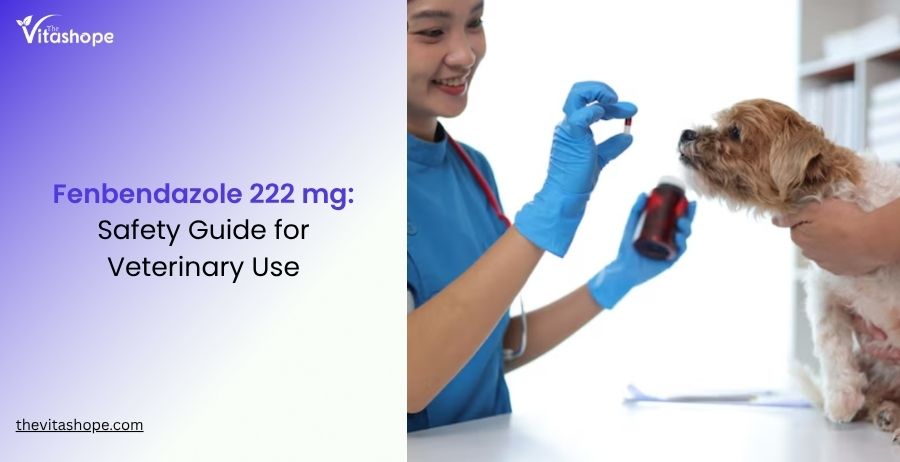
Fenbendazole 222 mg is a veterinary antiparasitic medication used to help control certain intestinal worms in animals. It belongs to the benzimidazole class of deworming medicines and is available in veterinary formulations for specific animal species and parasite infections.
The strength “222 mg” commonly refers to fenbendazole granules containing 222 mg of fenbendazole per gram of product. For example, the FDA-approved Panacur C formulation contains fenbendazole 22.2% (222 mg/g) and is labeled for use in dogs.
Although fenbendazole is widely used in veterinary medicine, the correct product, dose, and treatment duration depend on the animal, body weight, parasite, and product label. Using more than the labeled dose or extending treatment without veterinary guidance can increase safety risks.
What Is Fenbendazole 222 mg?
Fenbendazole 222 mg is a veterinary formulation of fenbendazole, an antiparasitic drug used to treat and control certain gastrointestinal parasites.
In the United States, an FDA-approved 22.2% fenbendazole granule formulation is labeled for adult dogs and puppies six weeks of age or older. Its approved indications include certain:
- Roundworms
- Hookworms
- Whipworms
- Tapeworms
The specific parasites covered by the label depend on the product and animal species.
The 222 mg strength should therefore be understood as a product concentration, not as a universal dose for every animal.
How Does Fenbendazole Work?
Fenbendazole belongs to the benzimidazole group of antiparasitic medicines. It works by interfering with biological processes that parasites need to survive.
The medication affects parasite cellular structures and energy-related processes, helping prevent susceptible worms from maintaining normal function and survival.
Once the parasites are affected, they can be eliminated from the animal’s gastrointestinal tract.
However, fenbendazole does not treat every type of parasite. A veterinarian may need to identify the suspected parasite before selecting an appropriate treatment.
What Is Fenbendazole 222 mg Used For?
Fenbendazole 222 mg veterinary products may be used for specific parasitic infections depending on the animal and approved product.
For dogs, the FDA-approved Panacur C formulation is indicated for treatment and control of certain roundworms, hookworms, whipworms, and tapeworms.
Other fenbendazole products may have different approved uses in other animal species. This is why pet owners should check the exact product label rather than assuming that one fenbendazole formulation can be used for every animal.
If an animal has symptoms such as diarrhea, weight loss, poor appetite, vomiting, or visible worms in stool, a veterinarian can help determine whether parasites are responsible and whether fenbendazole is appropriate.
Fenbendazole 222 mg Dosage
The correct fenbendazole dosage depends on the animal’s species, body weight, parasite, formulation, and treatment duration.
For the FDA-approved Panacur C formulation for dogs, the labeled daily dose is 50 mg/kg (22.7 mg/lb) for three consecutive days. The product is supplied in different packet sizes according to the dog’s weight.
This does not mean that every product containing 222 mg should be given in the same amount.
A 222 mg/g concentration is not the same thing as a 222 mg dose. Always follow the specific veterinary product label or your veterinarian’s instructions.
Why Accurate Dosing Matters
Giving too little medication may fail to control the infection, while excessive dosing or prolonged treatment can increase the risk of adverse effects.
FDA has specifically warned about adverse events associated with extra-label fenbendazole treatment in dogs, particularly when treatment continued beyond the labeled three-day duration.
Fenbendazole 222 mg Safety
When used according to an approved product’s label, fenbendazole can be an effective veterinary deworming medicine. However, it should not be treated as risk-free.
FDA reported cases of bone marrow hypoplasia and pancytopenia in dogs receiving fenbendazole for longer than the labeled duration. As of October 20, 2023, FDA had received 12 reports involving these conditions. Reported treatment durations ranged from five to 14 days.
These reports do not mean that normal labeled use is unsafe. Rather, they highlight the importance of following the approved treatment duration and avoiding prolonged or unauthorized use without veterinary supervision.
Possible Side Effects
Animals can respond differently to medication. Potential signs that may require veterinary attention include:
- Vomiting
- Diarrhea
- Reduced appetite
- Lethargy
- Weakness
- Pale gums
- Unusual behavior
- Signs of an allergic reaction
More serious blood-related problems have been associated with prolonged extra-label fenbendazole use in dogs.
If an animal develops unusual or severe symptoms after receiving fenbendazole, contact a veterinarian promptly.
Can Fenbendazole Be Used for Puppies?
Certain FDA-approved fenbendazole formulations are labeled for puppies.
For example, Panacur C is approved for puppies six weeks of age and older for specified parasite infections.
However, puppies can have different health needs depending on age, weight, nutritional status, and existing illness. A veterinarian can determine whether fenbendazole is appropriate and which product and dose should be used.
Can Fenbendazole Be Used During Pregnancy?
The answer depends on the specific veterinary product and animal.
The FDA-approved Panacur C labeling includes use in adult dogs, including pregnant bitches.
However, pregnancy-related safety information can differ between animal species and formulations. Do not automatically apply information from a dog product to another animal.
Fenbendazole for Cats and Other Animals
Fenbendazole is used in veterinary medicine for different animal species, but approved indications vary by product.
FDA’s information on fenbendazole recognizes approved products that may be used in dogs and other animals under appropriate veterinary circumstances. Different strengths or dosage forms may also be selected when a veterinarian determines they are necessary.
Because dosing and approved uses differ between species, pet owners should not use a dog formulation or dosing schedule for cats, horses, livestock, or other animals without professional veterinary guidance.
Important Precautions
Before giving Fenbendazole 222 mg, consider these important safety points:
- Confirm the animal’s weight before calculating a weight-based dose.
- Identify the correct product and concentration.
- Follow the labeled treatment duration.
- Do not extend treatment without veterinary advice.
- Do not assume the same dose applies to another animal species.
- Tell the veterinarian about other medicines the animal is receiving.
- Monitor the animal for unusual reactions.
- Store medication securely so animals cannot accidentally consume medications intended for another pet.
For food-producing animals, additional rules concerning withdrawal or withholding periods may apply. Veterinarians using extra-label medication in food-producing animals must consider applicable withdrawal requirements.
Fenbendazole 222 mg vs. 22.2% Fenbendazole
These terms can sometimes cause confusion.
A product labeled 22.2% fenbendazole contains approximately 222 mg of fenbendazole per gram of product. Therefore, “222 mg” may describe the amount of active ingredient contained in one gram of a particular formulation rather than the recommended dose for an animal.
The actual amount administered depends on the product instructions and the animal’s weight.
Always read the label carefully before measuring a veterinary medicine.
Is Fenbendazole 222 mg a Human Medicine?
Fenbendazole is primarily a veterinary medicine. Products approved for animals are evaluated and labeled for specific animal species and conditions.
People should not use veterinary fenbendazole as a substitute for a human antiparasitic medicine. Human treatment should use medicines that are approved or appropriately prescribed for people.
Fenbendazole is also sometimes discussed online as a potential treatment for human cancer. Such claims should not be confused with established human medical treatment. A veterinary dewormer should not replace evidence-based cancer treatment or other medical care.
Frequently Asked Questions
1. What is Fenbendazole 222 mg?
Fenbendazole 222 mg generally refers to a veterinary fenbendazole formulation containing 222 mg of active ingredient per gram in a 22.2% product.
2. What is Fenbendazole 222 mg used for?
It is used in veterinary medicine to treat and control certain parasitic worms. Approved uses vary according to the animal and product.
3. Is Fenbendazole 222 mg safe for dogs?
FDA-approved fenbendazole products can be used safely in dogs when administered according to the approved label. Prolonged extra-label use has been associated with serious adverse events.
4. What is the usual fenbendazole dose for dogs?
For the FDA-approved Panacur C formulation, the labeled dose is 50 mg/kg daily for three consecutive days.
5. Is 222 mg the dose my dog should receive?
Not necessarily. “222 mg” can refer to the concentration of the product rather than the animal’s required dose. Dosing must be based on the specific product and the animal’s weight.
6. Can puppies take fenbendazole?
Some approved fenbendazole products are labeled for puppies six weeks of age and older.
7. Can fenbendazole be used for cats?
Some fenbendazole products may be used in cats or other animals under veterinary direction, but approved indications and dosing differ by species.
8. What happens if fenbendazole is given for too long?
Prolonged extra-label use has been associated with bone marrow hypoplasia and pancytopenia in dogs.
9. Can I use Fenbendazole 222 mg without a veterinarian?
For an approved over-the-counter animal product, follow the label exactly. If the intended use differs from the label, veterinary guidance is important.
10. Can humans take Fenbendazole 222 mg?
Veterinary fenbendazole should not be self-used as a human medicine. People should consult a healthcare professional about an appropriate human treatment.
11. Can fenbendazole treat all worms?
No. Fenbendazole is effective against specific susceptible parasites, and its approved indications vary by product and animal species.
12. How should Fenbendazole 222 mg be stored?
Keep veterinary medicines stored securely and according to the product label. Prevent pets from accidentally accessing medications intended for another animal.
Final Takeaway
Fenbendazole 222 mg is a veterinary antiparasitic formulation used to control certain worms in animals. In the United States, a 22.2% fenbendazole formulation is FDA-approved for specified parasite infections in dogs, with a labeled dose based on body weight and a three-day treatment schedule.
The most important safety point is that the strength printed on the package does not automatically represent the correct dose for every animal. Treatment should follow the specific product label or veterinary instructions.
Avoid extending treatment or using alternative dosing schedules without professional guidance, as FDA has reported serious blood-related adverse events associated with prolonged extra-label fenbendazole use in dogs.
For the safest results, use Fenbendazole 222 mg only for the appropriate animal, parasite, dose, and duration recommended by the product label or a qualified veterinarian.