
Blog
Fenbendazole 444 mg: Essential Guide to Uses & Safety

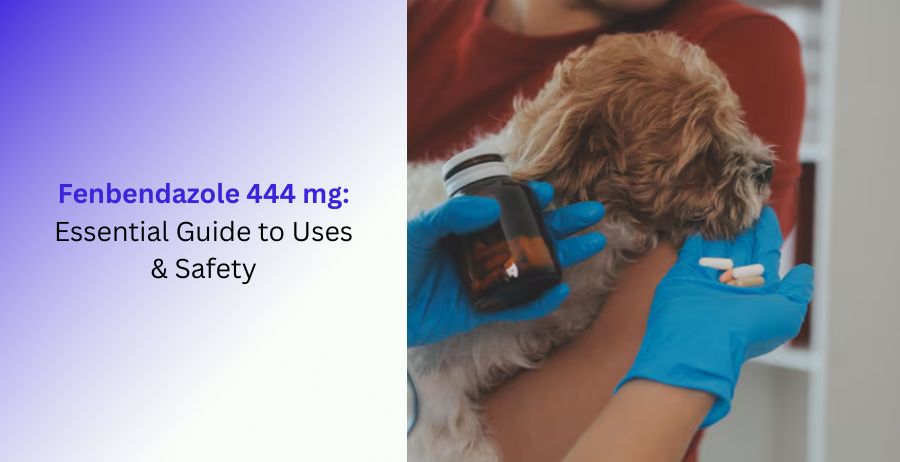
Fenbendazole is a benzimidazole antiparasitic medicine used primarily in veterinary medicine. A product labeled Fenbendazole 444 mg contains 444 mg of the active ingredient in the specified dose unit, but this strength should not be interpreted as a standard human dose.
For people in the USA, UK, or elsewhere researching fenbendazole, an important distinction is that fenbendazole is not an approved human medicine. Veterinary formulations should not be used as substitutes for medicines approved for people.
What Is Fenbendazole 444 mg?
Fenbendazole belongs to the benzimidazole class of anthelmintic medicines. It works against susceptible parasites by interfering with processes that parasites need for normal cellular function and survival.
In veterinary medicine, fenbendazole products may be used against certain gastrointestinal parasites, depending on the animal species and specific product.
The 444 mg strength describes the amount of fenbendazole in a particular product or dose unit. It does not establish an appropriate dose for humans.
Fenbendazole 444 mg Uses
Fenbendazole is primarily used in veterinary medicine to control susceptible parasites.
Depending on the animal and formulation, it may be used against certain:
- Roundworms
- Hookworms
- Whipworms
- Tapeworms
- Other susceptible gastrointestinal parasites
Approved uses vary according to species and product labeling. Veterinary treatment should therefore follow the instructions provided by a veterinarian.
How Does Fenbendazole Work?
Fenbendazole acts on structures called microtubules, which are important for many cellular processes in parasites.
By disrupting these structures, fenbendazole can interfere with parasite nutrient uptake, cellular transport, and energy-related processes.
This can prevent susceptible parasites from maintaining normal cellular function and ultimately leads to their elimination.
Is Fenbendazole 444 mg Approved for Humans?
No. Fenbendazole is not FDA-approved for human use.
The fact that fenbendazole belongs to a class of antiparasitic medicines does not mean that veterinary fenbendazole is interchangeable with approved human treatments.
Using a veterinary formulation in people can create concerns involving:
- Unestablished human dosing
- Product formulation
- Drug interactions
- Toxicity
- Delayed diagnosis
- Delayed treatment with an approved medicine
People should not self-treat with veterinary fenbendazole.
Fenbendazole 444 mg Dosage Information
There is no established standard human dosage for Fenbendazole 444 mg.
Veterinary dosing can vary according to:
- Animal species
- Body weight
- Parasite being treated
- Product concentration
- Treatment duration
- Veterinary instructions
A fixed amount such as 444 mg should therefore not be converted into a human dose.
If you suspect a parasitic infection, seek medical evaluation and use a treatment specifically appropriate for humans and the diagnosed condition.
Fenbendazole Side Effects and Safety
Fenbendazole is generally used under veterinary supervision, but adverse reactions can occur.
Possible effects in animals may include:
- Vomiting
- Diarrhea
- Reduced appetite
- Abdominal discomfort
- Lethargy
- Other gastrointestinal symptoms
Safety depends on the animal, dosage, treatment duration, and specific product.
Prolonged Use Concerns
The FDA has reported cases of bone marrow hypoplasia and pancytopenia in dogs following fenbendazole treatment that continued beyond the labeled duration. These reports emphasize the importance of following veterinary dosing and treatment-duration instructions.
This information should not be interpreted as establishing a human dose or human safety profile.
Fenbendazole and Cancer Research
Fenbendazole has attracted attention because laboratory research has investigated its potential effects on cancer-related pathways.
However, laboratory research does not establish fenbendazole as a safe or effective cancer treatment in humans.
There is currently insufficient clinical evidence to recommend fenbendazole as a treatment for cancer.
People receiving cancer treatment should not replace established therapies with fenbendazole. Anyone considering an unapproved treatment should discuss the decision with their oncology team.
Fenbendazole During Pregnancy
Human safety information for fenbendazole during pregnancy is insufficient.
People who are pregnant or planning pregnancy should not self-treat with veterinary fenbendazole.
If a parasitic infection is suspected during pregnancy, consult a qualified healthcare professional about appropriate treatment options.
Fenbendazole and Breastfeeding
There is insufficient evidence to establish the safety of fenbendazole during human breastfeeding.
If you are breastfeeding, discuss any proposed antiparasitic treatment with a healthcare professional before taking medication.
Fenbendazole Drug Interactions
If you are taking prescription or over-the-counter medicines, tell your healthcare professional about all of them.
Also mention:
- Vitamins
- Herbal products
- Dietary supplements
- Other antiparasitic medicines
Because fenbendazole is not an approved human medicine, its interaction profile in humans is not established in the same way as approved medications.
Fenbendazole vs Human Antiparasitic Medicines
| Medicine | General role | Human use |
|---|---|---|
| Fenbendazole | Veterinary antiparasitic | Not FDA-approved for humans |
| Albendazole | Antiparasitic | Approved for several human parasitic infections |
| Mebendazole | Anthelmintic | Used for certain human intestinal worm infections |
| Ivermectin | Antiparasitic | Approved for specific human infections |
| Praziquantel | Antiparasitic | Used for certain tapeworm and fluke infections |
These medicines are not interchangeable. The appropriate medicine depends on the diagnosed parasite, patient characteristics, and applicable treatment guidelines.
Key Safety Facts
If you are researching Fenbendazole 444 mg, keep these points in mind:
- Fenbendazole is primarily a veterinary antiparasitic.
- 444 mg is a product strength, not an established human dose.
- There is no established standard human dosing regimen for fenbendazole.
- Veterinary products should not be substituted for approved human medicines.
- Prolonged extra-label veterinary use has been associated with serious adverse events in reported dogs.
- Fenbendazole has not been established as an effective human cancer treatment.
- Pregnant or breastfeeding individuals should seek professional medical advice before considering any antiparasitic treatment.
- A confirmed diagnosis is important before selecting treatment.
Frequently Asked Questions
1. What is Fenbendazole 444 mg?
Fenbendazole 444 mg refers to a product or dose unit containing 444 mg of fenbendazole. Fenbendazole is primarily used as a veterinary antiparasitic.
2. What is fenbendazole used for?
It is used in veterinary medicine against certain susceptible gastrointestinal parasites, depending on the animal species and product.
3. Is Fenbendazole 444 mg approved for humans?
No. Fenbendazole is not FDA-approved as a human medicine.
4. Is 444 mg a human dose?
No. There is no established standard human dosage for fenbendazole.
5. Can people use veterinary fenbendazole?
People should not self-administer veterinary fenbendazole. Veterinary medicines are formulated and approved for particular animal species and uses.
6. Can fenbendazole treat cancer?
There is insufficient clinical evidence to establish fenbendazole as a safe and effective cancer treatment in humans.
7. Can fenbendazole replace cancer treatment?
No. It should not replace treatments recommended by an oncology team.
8. What are possible side effects?
Veterinary use can be associated with gastrointestinal and other adverse reactions. Human safety data are insufficient.
9. Can fenbendazole be used during pregnancy?
Human safety during pregnancy has not been adequately established. Do not self-treat with veterinary fenbendazole.
10. Can fenbendazole be used while breastfeeding?
Human safety data are insufficient. Consult a healthcare professional before considering any medication.
11. Is fenbendazole the same as albendazole?
No. They are related benzimidazole medicines, but they have different regulatory approvals, uses, and safety information.
12. Does a higher dose work better?
No. Increasing the amount does not establish greater effectiveness and may increase the risk of adverse effects.
13. Can fenbendazole treat every type of worm?
No. Fenbendazole has activity against specific susceptible parasites in veterinary medicine. Different parasites may require different treatments.
14. What should I do if I accidentally take fenbendazole?
Contact a healthcare professional or poison-control service for individualized advice, especially if a large amount was taken or symptoms develop.
15. Where can I verify whether a medicine is approved for humans?
In the United States, FDA resources such as Drugs@FDA can be used to check medicines approved for human use.
Final Thoughts
Fenbendazole 444 mg is a veterinary antiparasitic product strength, not an established human treatment dose. Its approved uses depend on the animal species and specific formulation.
Although fenbendazole has received attention because of laboratory research, there is not enough clinical evidence to establish it as a safe and effective treatment for cancer or other human diseases.
For people seeking treatment for a parasitic infection, the safest approach is to obtain an appropriate diagnosis and use a medicine approved for the specific human condition.
Medical disclaimer: This article is for general educational purposes only and does not replace professional medical advice, diagnosis, or treatment. Always consult a qualified healthcare professional before starting, stopping, or changing any medicine.