
Blog
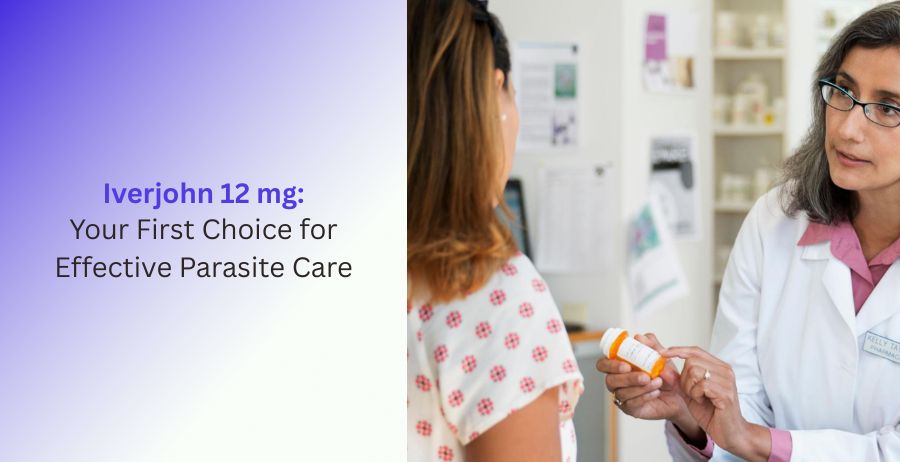
Iverjohn 12 mg: Your First Choice for Effective Parasite Care

Introduction
Iverjohn 12 mg is a prescription antiparasitic medication containing Ivermectin 12 mg as its active ingredient. It is commonly prescribed to treat certain parasitic infections in humans under the supervision of a qualified healthcare professional. With decades of clinical use and global recognition, Ivermectin has become an important option for managing specific parasitic diseases when used according to approved medical guidance.
Parasitic infections can affect the intestines, skin, and other organs, leading to symptoms such as abdominal discomfort, diarrhea, itching, skin irritation, fatigue, and nutritional deficiencies. Early diagnosis and appropriate prescription treatment are essential to prevent complications and support recovery.
This guide explains everything patients should know about Iverjohn 12 mg, including how it works, approved uses, dosage, benefits, possible side effects, safety precautions, comparisons with similar medications, and answers to frequently asked questions.
What Is Iverjohn 12 mg?
Iverjohn 12 mg is an oral antiparasitic medicine that belongs to the anthelmintic class of medications.
Healthcare professionals prescribe it to eliminate susceptible parasites responsible for specific infections. Before treatment, physicians evaluate:
- Body weight
- Medical history
- Type of parasitic infection
- Liver function
- Current medications
- Overall health condition
Because every patient is different, treatment should always follow professional medical advice.
How Iverjohn 12 mg Works
Ivermectin works by binding to chloride channels found in susceptible parasites. This interferes with their nerve and muscle function, causing paralysis and eventual death of the parasite.
Once immobilized, the parasites are naturally removed from the body through normal biological processes.
Unlike medications that only relieve symptoms, Iverjohn 12 mg targets the underlying parasitic infection.
Approved Medical Uses
Healthcare professionals may prescribe Iverjohn 12 mg for:
Strongyloidiasis
Treatment of intestinal infection caused by Strongyloides stercoralis.
Onchocerciasis
Treatment of river blindness caused by Onchocerca volvulus.
Selected Parasitic Skin Conditions
Certain parasite-related skin infections may respond to ivermectin when medically appropriate.
Other Clinically Appropriate Uses
Healthcare providers may recommend ivermectin for additional parasitic conditions based on professional judgment and current clinical guidelines.
Benefits of Iverjohn 12 mg
When prescribed appropriately, Iverjohn 12 mg offers several important benefits.
Targeted Parasite Elimination
Directly attacks susceptible parasites.
Proven Medical History
Ivermectin has been used worldwide for many years.
Convenient Tablet Form
Easy oral administration.
Supports Recovery
Removing parasites may improve symptoms and overall health.
Prescription-Based Safety
Professional supervision helps optimize treatment outcomes.
How to Take Iverjohn 12 mg
Always follow your healthcare provider’s instructions.
General guidance includes:
- Swallow the tablet with water.
- Take exactly as prescribed.
- Complete the entire treatment course.
- Do not increase or decrease the dosage.
- Inform your healthcare provider about all medications you take.
Dosage varies according to body weight and diagnosis.
Possible Side Effects
Common side effects may include:
- Headache
- Dizziness
- Nausea
- Fatigue
- Mild abdominal discomfort
- Temporary itching
Seek immediate medical care if you experience:
- Difficulty breathing
- Severe allergic reactions
- Vision problems
- Confusion
- Seizures
- Significant neurological symptoms
Important Safety Precautions
Before treatment, tell your healthcare provider if you have:
- Liver disease
- Neurological disorders
- Immune system conditions
- Pregnancy or breastfeeding
- Allergies to ivermectin
- Prescription medication use
Never use veterinary ivermectin products intended for animals.
Drug Interactions
Tell your healthcare provider if you take:
- Blood-thinning medications
- Prescription medicines
- Herbal supplements
- Vitamins
- Over-the-counter medications
Medication review helps reduce interaction risks.
Lifestyle Tips During Treatment
To improve recovery:
- Drink plenty of water.
- Maintain good hygiene.
- Wash hands frequently.
- Follow food safety practices.
- Complete prescribed treatment.
- Attend follow-up appointments if advised.
Comparison Table
| Feature | Iverjohn 12 mg | Albendazole | Mebendazole |
|---|---|---|---|
| Active Ingredient | Ivermectin | Albendazole | Mebendazole |
| Medicine Type | Anthelmintic | Anthelmintic | Anthelmintic |
| Prescription Required | Yes (varies by country) | Often | Often |
| Primary Use | Certain parasitic infections | Various worm infections | Various intestinal worms |
| Tablet Form | Yes | Yes | Yes |
| Medical Supervision | Recommended | Recommended | Recommended |
| Human Use | Yes | Yes | Yes |
Frequently Asked Questions
1. What is Iverjohn 12 mg used for?
It is prescribed for certain parasitic infections.
2. Is it an antibiotic?
No. It is an antiparasitic medicine.
3. Can I buy it without a prescription?
Requirements depend on local regulations.
4. How quickly does it work?
This depends on the infection and individual patient.
5. Should I finish the full course?
Yes, unless instructed otherwise by your healthcare provider.
6. Can children take Iverjohn 12 mg?
Only under medical supervision.
7. Is it safe during pregnancy?
Consult your healthcare provider before use.
8. Can breastfeeding mothers take it?
Medical advice is recommended.
9. What happens if I miss a dose?
Contact your healthcare provider or pharmacist.
10. Can I drink alcohol?
Ask your healthcare provider about alcohol use during treatment.
11. Can I take it with other medicines?
Only after discussing potential interactions with your healthcare provider.
12. Does it treat viral infections?
No. It is intended for certain parasitic infections only.
13. Can I use veterinary ivermectin?
No. Veterinary formulations should never be used in humans.
14. What are the most common side effects?
Headache, dizziness, nausea, fatigue, and mild stomach discomfort.
15. Why is medical diagnosis important?
Because different infections require different treatments, and symptoms may have causes other than parasites.
Storage Instructions
Store Iverjohn 12 mg:
- At room temperature
- Away from moisture
- Away from direct sunlight
- In original packaging
- Out of reach of children
Always check the expiration date before use.
Final Thoughts
Iverjohn 12 mg remains an established prescription antiparasitic medication used to treat certain parasitic infections under professional medical supervision. Its targeted mechanism of action, long history of clinical use, and evidence-based role in parasite management make it an important option when prescribed appropriately.
Successful treatment depends on accurate diagnosis, proper dosing, adherence to medical advice, and awareness of possible side effects and medication interactions. Always consult a qualified healthcare professional before starting Iverjohn 12 mg to ensure it is the right treatment for your specific condition.