
Blog
Safe Use of Ivermectin 12 mg Tablet: Uses, Dosage for Scabies, and Key Information

Introduction
Ivermectin 12 mg is a prescription-strength antiparasitic medication widely used for the treatment of various parasitic infections. The demand for antiparasitic medicines has increased significantly over the years due to the global burden of parasitic diseases affecting millions of people worldwide.
Ivermectin is an antiparasitic drug that has been used for decades in both human and veterinary medicine. In humans, it is primarily prescribed for specific parasitic conditions such as scabies, strongyloidiasis, and certain worm infestations. Its use is always recommended under strict medical supervision to ensure safety, correct dosage, and effectiveness.
What is Ivermectin 12 mg?
Ivermectin 12 mg tablet is an oral antiparasitic medication used to treat infections caused by parasites in the human body. It works by paralyzing and killing parasites, helping the immune system eliminate them naturally.
The 12 mg strength is considered a moderate-to-high dose and is typically prescribed based on patient-specific needs such as body weight and type of infection.
Key Features:
- Prescription-only medication
- Antiparasitic agent
- Used for internal and external parasitic infections
- Single or multiple-dose treatment depending on condition
How Does Ivermectin Work?
Ivermectin works by targeting the nervous system of parasites. It binds to specific channels in nerve and muscle cells of parasites, increasing permeability to chloride ions. This leads to paralysis and eventual death of the parasite.
Importantly:
- It does NOT affect human nerve cells in the same way
- It is generally well tolerated when used correctly
- It is ineffective against bacterial or viral infections
Ivermectin 12 mg Tablet Uses
The Ivermectin 12 mg tablet uses are primarily related to parasitic infections. Below are the most common medical conditions where it may be prescribed:
1. Scabies Treatment
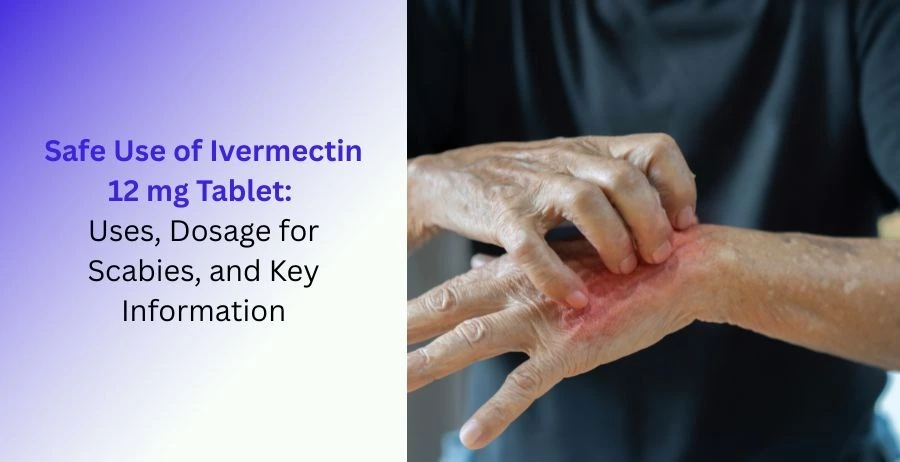
Scabies is a contagious skin infestation caused by mites. Ivermectin is often used when:
- Topical creams fail
- Infection is widespread
- Outbreak control is needed in communities
2. Intestinal Worm Infections
It may be used for infections such as:
- Strongyloidiasis
- Ascariasis (in some cases)
3. Head Lice (Pediculosis)
In certain resistant cases, oral ivermectin may be prescribed.
4. Onchocerciasis (River Blindness)
This is a parasitic disease caused by worm infections transmitted through blackfly bites.
5. Other Parasitic Conditions
Doctors may prescribe it for specific parasitic infestations depending on clinical judgment.
Ivermectin 12 mg Tablet Dosage for Adults
The Ivermectin 12 mg tablet dosage for adults varies depending on several factors:
- Body weight
- Type of infection
- Severity of infection
- Medical history
Typically, doctors prescribe ivermectin based on weight (for example, micrograms per kilogram of body weight). In many cases, a single dose may be sufficient, while some infections require repeated dosing after a specific interval.
Important Note:
- Never self-medicate
- Do not adjust dosage on your own
- Always follow a healthcare provider’s instructions
Ivermectin 12 mg Dosage for Scabies
The Ivermectin 12 mg dosage for scabies is commonly determined based on body weight and severity. In clinical practice:
- A single dose may be prescribed initially
- A second dose is often given after 7–14 days
- It may be combined with topical scabicidal treatments
However, dosage varies widely, and only a doctor can determine the exact plan for each individual.
Why repeat dosing is needed?
Scabies mites have life cycles that may not be fully eliminated in one dose, so a second dose ensures complete eradication.
How to Take Ivermectin 12 mg Tablet
General guidelines (for informational purposes only):
- Take on an empty stomach (commonly recommended)
- Swallow with a full glass of water
- Do not crush or chew unless advised
- Take exactly as prescribed by your doctor
Precautions Before Using Ivermectin
Before taking Ivermectin 12 mg tablets, inform your doctor if you have:
- Liver disease
- Kidney disorders
- Neurological conditions
- Pregnancy or breastfeeding status
- Allergies to medications
Special caution:
Self-medication can lead to incorrect dosing and potential side effects.
Side Effects of Ivermectin 12 mg
Like all medications, ivermectin may cause side effects in some individuals.
Common Side Effects:
- Dizziness
- Nausea
- Diarrhea
- Fatigue
- Mild skin rash
Less Common but Serious Side Effects:
- Low blood pressure
- Severe allergic reactions
- Vision changes
- Confusion (rare)
If any severe symptoms occur, immediate medical attention is necessary.
Safety Information
Ivermectin is generally considered safe when used correctly under medical supervision. However:
- It is not suitable for self-treatment
- It is not an antiviral drug
- Incorrect use may cause harm
Always rely on a healthcare professional for diagnosis and prescription.
Drug Interactions
Ivermectin may interact with certain medications, such as:
- Blood thinners
- Sedatives
- Other antiparasitic drugs
- Some antibiotics
Always share your full medication list with your doctor.
Storage Instructions
- Store at room temperature
- Keep away from moisture and sunlight
- Keep out of reach of children
- Do not use expired tablets
Ivermectin 12 mg Tablet Tablets Overview
The phrase Ivermectin 12 mg tablet tablets generally refers to the same medication available under different brands. These tablets may vary slightly in appearance but contain the same active ingredient.
Ivermectin in Modern Medicine
Ivermectin has been an important part of global parasitic disease control programs, especially in tropical regions. It is included in many public health initiatives to reduce parasitic infections in endemic areas.
Its effectiveness, affordability, and broad antiparasitic action make it a valuable medication in healthcare systems worldwide.
Important Warnings
- Do not use ivermectin without prescription
- Do not use veterinary ivermectin products for humans
- Avoid alcohol unless your doctor allows it
- Do not exceed prescribed dose
When to See a Doctor
Seek medical help if:
- Symptoms persist after treatment
- You experience severe side effects
- Skin infections worsen
- You are unsure about dosage
Frequently Asked Questions (FAQ)
1. What is Ivermectin 12 mg used for?
It is used to treat parasitic infections such as scabies, intestinal worms, and other parasitic infestations as prescribed by a doctor.
2. Can I take Ivermectin 12 mg tablet without prescription?
No. It is a prescription medication and should only be taken under medical supervision.
3. How long does Ivermectin take to work?
It may start working within hours, but symptom improvement can take a few days depending on the infection.
4. Is Ivermectin 12 mg safe for all adults?
It is generally safe when prescribed correctly, but it is not suitable for everyone. Medical evaluation is necessary.
5. Can Ivermectin be used for scabies treatment?
Yes, it is commonly used for scabies treatment, especially in moderate to severe cases or outbreaks.
6. What is the usual dosage for scabies?
The dosage depends on body weight and is typically given in one or two doses as prescribed by a doctor.
7. Can pregnant women take Ivermectin?
It should only be used during pregnancy if clearly advised by a healthcare professional.
8. Does Ivermectin cure viral infections?
No, ivermectin is an antiparasitic medication and does not treat viral infections.
Conclusion
Ivermectin 12 mg tablet is an effective antiparasitic medication widely used in the treatment of scabies and other parasitic infections. While it has proven medical benefits, it must always be used responsibly under medical supervision.
Understanding Ivermectin 12 mg tablet uses, dosage, precautions, and safety information is essential to ensure safe and effective treatment outcomes.
Self-medication should always be avoided, and professional medical advice should be followed for the best results.