
Blog
Definitive Guide to Ivermectin 12 mg Tablet: Benefits, Dosage & Precautions

Introduction
Ivermectin 12 mg has become a widely discussed medication due to its effectiveness in treating a range of parasitic infections. Originally developed for veterinary use, it was later adapted for human medicine and has played a significant role in controlling several infectious diseases worldwide. Today, it is commonly prescribed in tablet form for conditions like scabies, strongyloidiasis, and other parasitic infestations.
What is Ivermectin 12 mg?
Ivermectin 12 mg tablets are oral medications that belong to a class of drugs known as antiparasitic agents. They work by targeting parasites in the body, interfering with their nervous system, and ultimately leading to their death.
The medication is commonly used to treat:
- Intestinal infections caused by parasites
- Skin conditions like scabies
- Certain worm infections
- Head lice (in some cases)
Unlike antibiotics that target bacteria, ivermectin specifically focuses on parasites, making it a specialized treatment option.
How Does Ivermectin Work?
The mechanism of ivermectin is quite fascinating. It binds to specific channels in the parasite’s nerve and muscle cells. This causes paralysis and death of the parasite, allowing the body to eliminate it naturally.
What makes ivermectin effective is its selective action—it affects parasites without significantly harming human cells when taken at the correct dosage.
Ivermectin 12 mg Tablet Uses
Understanding ivermectin 12 mg tablet uses is essential before taking the medication. It is prescribed for several medical conditions, including:
1. Scabies
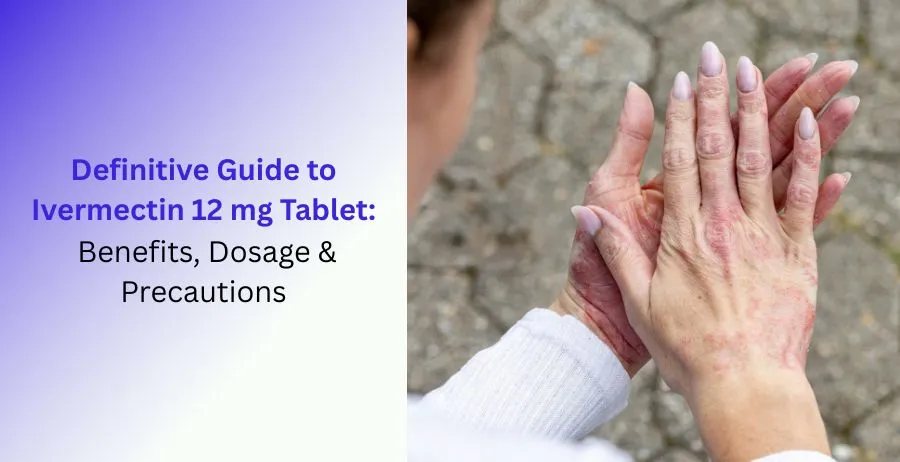
Scabies is a skin condition caused by tiny mites that burrow into the skin. Ivermectin is often used when topical treatments fail or when the infection is widespread.
Learn more about scabies treatment here CDC.
2. Strongyloidiasis
This is an intestinal infection caused by roundworms. Ivermectin is considered one of the most effective treatments for this condition.
3. Onchocerciasis (River Blindness)
Although less common in some regions, ivermectin plays a crucial role in treating this serious parasitic disease.
4. Head Lice
In resistant cases of lice infestation, oral ivermectin may be recommended.
5. Other Parasitic Infections
Doctors may prescribe ivermectin 12 mg tablets for off-label uses depending on the patient’s condition.
Ivermectin 12 mg Dosage
When it comes to ivermectin 12 mg dosage, it is very important to follow a doctor’s prescription. The dosage depends on several factors:
- Body weight
- Type of infection
- Severity of the condition
- Patient’s medical history
General Dosage Guidelines
- Usually taken as a single dose on an empty stomach
- In some cases, repeated doses may be required
- Tablets should be swallowed with water
For a deeper understanding of dosing guidelines, you can refer to WHO.
Ivermectin 12 mg Tablet Dosage for Adults
The ivermectin 12 mg tablet dosage for adults varies depending on the condition being treated.
Typical Adult Dosage:
- Scabies: One dose, repeated after 7–14 days if needed
- Strongyloidiasis: Single dose or short course
- Other infections: As prescribed by a healthcare professional
Doctors usually calculate dosage based on body weight, typically around 150–200 mcg per kilogram.
Ivermectin 12 mg Dosage for Scabies
One of the most common queries is about ivermectin 12 mg dosage for scabies.
Standard Approach:
- Single oral dose
- Second dose after 1–2 weeks
- Often combined with topical treatments
This dual approach ensures that both live mites and newly hatched ones are eliminated effectively.
For additional reading on skin infections and treatment options NHS.
Benefits of Ivermectin 12 mg Tablets
There are several advantages of using ivermectin 12 mg tablets:
1. Highly Effective
It provides quick relief from parasitic infections when used correctly.
2. Convenient Oral Form
Unlike creams or lotions, tablets are easy to take.
3. Broad Spectrum
Works against multiple types of parasites.
4. Minimal Dosing
Often requires only one or two doses.
How to Take Ivermectin Safely
To ensure the best results:
- Take the tablet on an empty stomach
- Avoid alcohol while taking the medication
- Follow the prescribed schedule strictly
- Do not self-medicate
Consistency and proper timing are key to effective treatment.
Possible Side Effects
Like all medications, ivermectin 12 mg may cause side effects, although not everyone experiences them.
Common Side Effects:
- Dizziness
- Nausea
- Diarrhea
- Fatigue
Less Common but Serious:
- Allergic reactions
- Swelling
- Vision problems
If any severe symptoms occur, medical attention should be sought immediately.
Precautions and Warnings
Before taking ivermectin, consider the following:
- Inform your doctor about any allergies
- Avoid use during pregnancy unless prescribed
- Discuss liver conditions with your doctor
- Not recommended for children under a certain weight
Always prioritize professional medical advice over self-treatment.
Drug Interactions
Ivermectin may interact with other medications, including:
- Blood thinners
- Sedatives
- Certain antibiotics
Inform your healthcare provider about all medications and supplements you are taking.
Storage Instructions
- Store in a cool, dry place
- Keep away from direct sunlight
- Keep out of reach of children
Proper storage ensures the medication remains effective.
Myths vs Facts About Ivermectin
Myth: It works for all infections
Fact: It only works against specific parasites.
Myth: Higher doses give faster results
Fact: Incorrect dosing can be harmful.
Myth: It is safe for self-medication
Fact: Always consult a doctor before use.
When Should You Avoid Ivermectin?
Avoid using ivermectin 12 mg tablet if:
- You have known hypersensitivity
- You are taking conflicting medications
- You have certain neurological conditions
A proper medical consultation is always necessary.
Tips for Better Results
- Maintain hygiene to prevent reinfection
- Wash bedding and clothes regularly
- Treat all affected household members if necessary
- Follow up with your doctor
These steps help ensure long-term recovery.
Frequently Asked Questions (FAQ)
1. What is ivermectin 12 mg used for?
It is used to treat parasitic infections such as scabies, strongyloidiasis, and certain worm infections.
2. How should I take ivermectin 12 mg tablets?
Take it on an empty stomach with water, exactly as prescribed by your doctor.
3. What is the ivermectin 12 mg dosage for adults?
The dosage depends on body weight and condition, but typically a single dose is prescribed.
4. Can ivermectin treat scabies effectively?
Yes, it is highly effective, especially when combined with topical treatments.
5. Are there any side effects?
Common side effects include nausea, dizziness, and fatigue.
6. Can I take ivermectin without a prescription?
No, it should only be taken under medical supervision.
7. How quickly does ivermectin work?
It starts working within hours, but full results may take a few days.
8. Is ivermectin safe for long-term use?
It is usually prescribed for short-term use only.
Conclusion
Ivermectin 12 mg is a powerful and effective medication for treating a variety of parasitic infections. Whether you are dealing with scabies, intestinal worms, or other conditions, it offers a reliable treatment option when used correctly.
Understanding the proper ivermectin 12 mg dosage, its uses, and safety precautions is essential for achieving the best results. While it is a highly beneficial medication, it must always be taken under professional medical guidance.
By following the right dosage, maintaining hygiene, and consulting a healthcare provider, you can ensure safe and effective treatment.