
Blog
Proven Human Guide to Ivermectin 6 Mg: Eliminating Parasites and Scabies

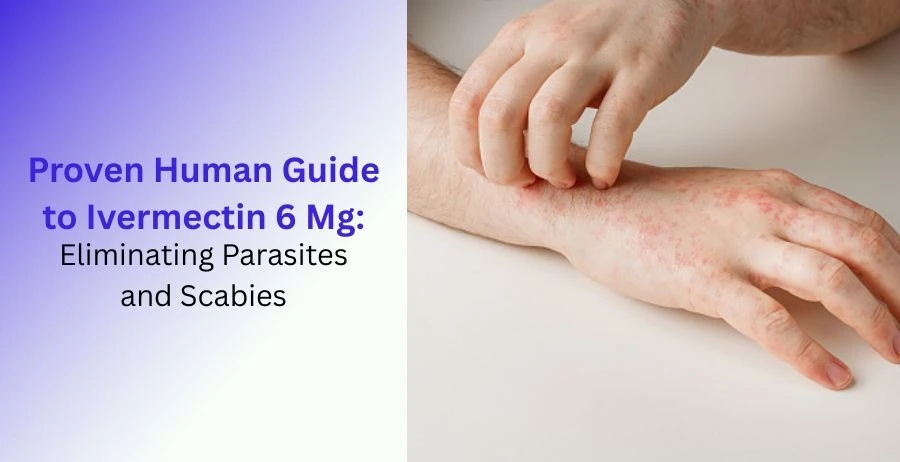
Ivermectin 6 mg has become one of the most discussed anti‑parasitic medications globally, and its 6 mg tablet form is widely prescribed by healthcare providers for certain parasitic infections in humans. In this comprehensive guide you will learn everything — from ivermectin 6 mg tablet uses to ivermectin 6 mg tablet dosage, including how it works, safety information, and frequently asked questions.
⚠️ IMPORTANT: The information here is educational only. Always follow your doctor’s guidance. Never self‑medicate or take any medicine without consulting a licensed healthcare provider.
What is Ivermectin?
Ivermectin is a medication originally developed to treat parasitic infections. It belongs to a class of drugs called anthelmintics, which work by paralyzing and killing parasites or preventing them from growing. It has been used for decades in both humans and animals, but only certain formulations are approved for human use.
The 6 mg tablets are one of the most common strengths prescribed for adults and are especially useful because they can be easily adjusted to meet dosage based on body weight.
How Does Ivermectin Work?
Ivermectin works by binding to specific receptors found in the nervous system of parasites — not humans — causing paralysis and eventually death of the parasite. This makes it extremely effective for certain parasitic infections.
The drug targets microscopic worms, mites, and other parasites by increasing the permeability of their cell membranes to chloride ions, leading to paralysis. Because human nerve cells do not have these same receptors in high amounts, the medicine is generally safe when used correctly.
Common Ivermectin 6 Mg Tablet Uses
Here are the main medically recognized and well‑studied uses of ivermectin 6 mg tablet uses:
1. Strongyloidiasis (Intestinal Worm Infection)
Strongyloidiasis is caused by the Strongyloides roundworm. Ivermectin is one of the first‑line treatments for this infection and is typically prescribed based on body weight and severity of symptoms.
2. Onchocerciasis (River Blindness)
Ivermectin is used in public health programs to control Onchocerca volvulus, the parasite responsible for river blindness. In mass treatment campaigns, regular ivermectin doses prevent the parasite from reproducing.
3. Scabies (Off‑Label Use)
Although not officially approved by some regulatory agencies for scabies, ivermectin is frequently used off‑label to treat scabies infections — especially when topical treatments fail or in severe cases. The drug can be effective because it reaches systemic circulation and kills mites beneath the skin.
4. Head Lice (Sometimes Off‑Label)
Veterinary and clinical use sometimes includes head lice, although it’s more commonly treated with topical medicines. Some patients receive oral ivermectin when other treatments are ineffective.
Ivermectin 6 Mg Tablet Dosage – General Principles
The correct ivermectin 6 mg tablet dosage depends on:
✔ The type of infection
✔ A person’s weight
✔ Medical history
✔ Presence of other conditions
Because correct dosing is critical, clinicians never use a one‑size‑fits‑all approach.
The most common method is weight‑based — for example:
- Strongyloidiasis: approximately 200 micrograms (mcg) per kg of body weight as a single oral dose.
- Onchocerciasis: similar weight‑based dose, often repeated every 6–12 months.
- Scabies: also about 200 mcg/kg, often repeated after 1–2 weeks.
Example Dosing Breakdown (Weight‑Based)
| Body Weight (kg) | Approx Tablets (6 mg strength) |
|---|---|
| 45 kg | ~9 mg (1.5 tablets) |
| 60 kg | ~12 mg (2 tablets) |
| 75 kg | ~15 mg (2.5 tablets) |
| 90 kg | ~18 mg (3 tablets) |
Doctors calculate the exact number of tablets based on weight and clinical condition.
❗ Important: Even though the examples above use simple rounding, the final dosage should be determined by a doctor and may vary for special conditions (such as pregnancy or liver disease).
Ivermectin Scabies Dosage 6 Mg – What You Need to Know
Many patients specifically search for ivermectin scabies dosage 6 mg — especially when topical creams aren’t enough.
Typically, the regimen for scabies when given orally might look like:
- Initial dose: 200 mcg/kg body weight
- Repeat dose: After 7–14 days (to catch mites that hatch after the first dose)
This regimen has been supported by clinical use and recommendations where ivermectin is indicated.
Because scabies mites live beneath the skin and inside burrows, sometimes doctors combine oral ivermectin with topical scabicides (such as permethrin cream) to increase effectiveness.
Ivermectin 6 Mg Dosage for Humans – Key Considerations
When taking ivermectin 6 mg dosage for humans, keep the following points in mind:
🩺 Medical Supervision is Essential
Only a licensed healthcare professional can decide:
- Whether you need ivermectin
- How much you should take
- When to repeat the dose
Never self‑prescribe. Misuse of ivermectin can lead to harm.
⏱ How Often is It Taken?
In most parasitic infections, only one or limited doses are given, spaced by days or weeks, depending on the condition.
🍽 Take on an Empty Stomach
Many instructions recommend taking ivermectin on an empty stomach with water to improve absorption.
🔬 Follow‑Up Testing
After treatment — especially for intestinal parasites — your doctor may repeat stool tests or blood tests to confirm that the infection is cleared.
Safety, Side Effects, and Interactions
Like all medications, ivermectin may cause side effects. Most are mild and temporary, but some can be concerning.
Common Side Effects
- Dizziness
- Nausea
- Diarrhea
- Mild skin itching
- Fatigue
These are usually transient, but if they get worse or don’t go away, tell your doctor.
Rare but Serious Effects
Although rare, serious neurological effects and allergic reactions can occur, especially at higher doses or with inappropriate use.
Interactions
Ivermectin may interact with other medications — for example:
- Blood thinners
- Anti‑seizure drugs
- Some herbal supplements
Always tell your physician about all medicines or supplements you are taking before starting treatment.
Special Populations
✔ Pregnancy & Breastfeeding: Only use if clearly necessary and prescribed.
✔ Children: Only use under strict medical guidance.
✔ Liver or kidney disease: May require adjusted dosing.
Sources like Drugs.com guide to ivermectin provide comprehensive safety details for patients and healthcare providers.
Is Ivermectin Approved for All These Uses?
Different countries and regulatory agencies approve ivermectin for certain uses. For example:
👉 The U.S. Food & Drug Administration (FDA) has approved ivermectin for intestinal worm infections and other indications, but not specifically for scabies — however, doctors can prescribe it off‑label.
👉 Agencies like the World Health Organization (WHO) include ivermectin in essential medicines lists for parasitic diseases.
In other words, medical use depends on context and clinical judgment.
Real‑World Use: Ivermectin 6 Mg Tablets
In clinical practice:
- A person weighing 60 kg with strongyloidiasis might take 2 tablets (12 mg) as a one‑time dose.
- For scabies, a similar weight‑based dose may be prescribed twice, usually 1–2 weeks apart.
This flexibility makes the 6 mg tablet strength practical for tailoring the dose to different body types.
Frequently Asked Questions (FAQs)
❓ 1. What is Ivermectin 6 Mg?
It’s a tablet strength of ivermectin used to treat parasitic infections, adjusted based on body weight and clinical need.
❓ 2. How quickly does ivermectin 6 mg work?
Symptoms often improve within days, but full treatment effectiveness may take weeks and follow‑up with a doctor is crucial.
❓ 3. Can Ivermectin Treat Scabies?
Yes, many clinicians use it off‑label to treat scabies, usually in combination with topical treatments.
❓ 4. Is ivermectin 6 mg safe?
When prescribed and monitored by a doctor, ivermectin can be safe. Self‑dosing or improper use increases risks.
❓ 5. Can I take ivermectin 6 mg without food?
Often recommended to take with water on an empty stomach — but follow your doctor’s instructions.
❓ 6. Do I need a prescription?
Yes — in most countries, ivermectin requires a prescription.
Conclusion
Ivermectin 6 mg is an important anti‑parasitic medication with proven effectiveness when used correctly. From intestinal worms to off‑label scabies treatment, it remains a valuable tool in modern medicine.
However, proper dosing, oversight, and follow‑up are essential to ensure safety and effectiveness — always under the guidance of a healthcare professional.